
Sankt Veit an der Glan between castles, museums and moorland
Accommodation in Sankt Veit an der Glan
Sankt Veit an der Glan combines impressive castles, sacred architecture, technological history and protected landscapes. If, in addition to winter activities, you would also like to include culture and nature in your stay, the surrounding area offers a range of themes and types of routes: from historic sites and museums to a moorland circular trail, an old ore railway route and signposted cycling routes.
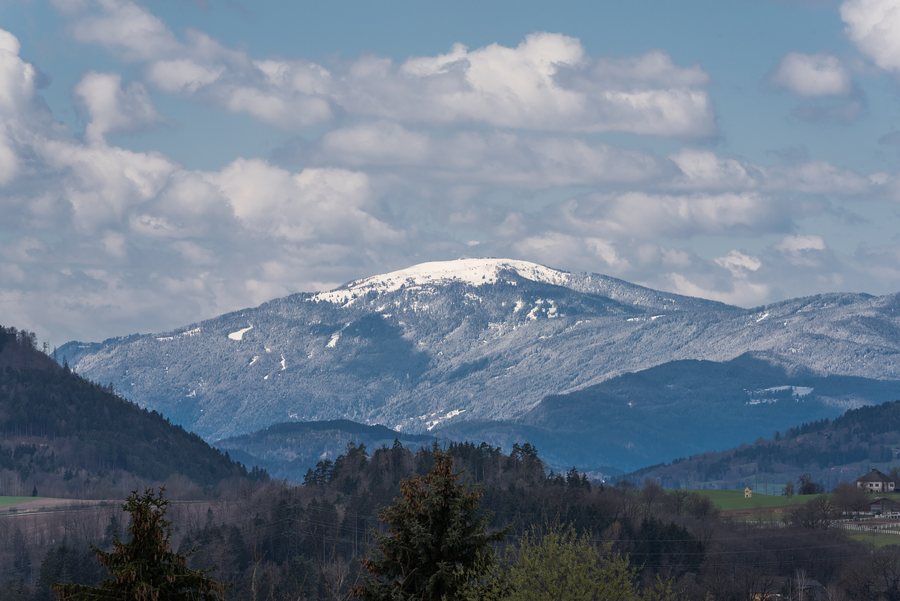 File:Sankt Veit an der Glan Beiersdorf Gerlitzen-Blick O-Ansicht 14042021 0772.jpg
Photo: Johann Jaritz via Wikimedia Commons, CC BY-SA 4.0
File:Sankt Veit an der Glan Beiersdorf Gerlitzen-Blick O-Ansicht 14042021 0772.jpg
Photo: Johann Jaritz via Wikimedia Commons, CC BY-SA 4.0
Hochosterwitz Castle: The site is regarded as an outstanding example of a medieval fortress and defensive complex.
Gurk Cathedral: The cathedral is an important monument of 12th-century sacred architecture and dates back to a foundation established by Saint Hemma.
Hörfeld Moor: The nature reserve stretches between Hüttenberg and Mühlen across around 140 hectares; the circular trail is 6.7 kilometres long and takes approximately 2.5 hours.
Variety of museums: The St. Veit Museum combines local history with regional transport history and several permanent exhibition areas.
Major collections: The Heinrich Harrer Museum displays more than 5,000 exhibits across 1,000 square metres.
Living history: At the Friesach Castle Construction Project, a medieval hilltop castle is being built across around 4,000 square metres in various stages of development.
Exploring Central Carinthia: Family-friendly and challenging hiking trails, as well as specially signposted themed routes for cyclists, connect the different landscape and cultural themes of this wider travel region.
Castles, towers and medieval crafts
Hochosterwitz Castle is interesting not only as a fortress and defensive complex. Visitors can reach the castle by the Fürst-Max-Bahn, making the access itself part of the excursion. The Hochosterwitz Castle Restaurant serves traditional Carinthian cuisine. This allows you to combine the visit with a regional culinary break without leaving the day's historical theme behind.
At Friesach, the castle construction project focuses on a different relationship with the past. A hilltop castle is being built there using historical craftsmanship and without modern equipment. Visitors can watch craftspeople at work and experience medieval crafts without technical aids. The Chapel Tower of the Petersberg castle complex complements this focus: the 28-metre-high tower houses the Friesach City Museum across six floors. For your planning, the destinations therefore differ clearly: Hochosterwitz represents an existing medieval fortress complex, while Friesach foregrounds the craft-based construction process and the city's history.
Sacred sites and special collections
Gurk Cathedral is an important focus for visitors who wish to combine sacred architecture and religious history. The Gurk Treasury provides a complement, housing more than 300 objects of Carinthian sacred art. The Lingkor, a Tibetan pilgrimage path, is also located opposite the Heinrich Harrer Museum. The spatial relationship between the museum and pilgrimage path makes this an unusual combination of different religious and cultural-historical perspectives.
The museums in the region also have different focuses. The Auer von Welsbach Museum has an authentically equipped laboratory with a light and sound presentation. It also displays early incandescent lamps with metal filaments, a collection of rare lighters and early gas mantle lighting fixtures. The St. Veit Museum is dedicated to the history of the town of St. Veit an der Glan and regional transport history. Its permanent exhibition areas include railways, model railways, a driving simulator for an electric railcar, motorisation and the gendarmerie, the postal and telecommunications services, as well as the history of St. Veit.
Moorland, trails and regional activity
The Hörfeld Moor offers a clear contrast to castles and exhibitions. The 6.7-kilometre Hörfeld Moor circular trail leads through the protected area in around 2.5 hours; a footpath makes the moor accessible on foot. The approximate time helps you classify this trail as an independent nature experience during your stay. The moor stretches between the municipalities of Hüttenberg and Mühlen and covers around 140 hectares.
For longer themed excursions, the wider travel region of Central Carinthia offers a network of family-friendly and challenging hiking trails. The trails connect Hochosterwitz Castle, Gurk Cathedral, the gentle peaks of the Saualpe, the vineyards on Lake Längsee, and historic towns such as St. Veit an der Glan, Althofen and Friesach. Specially signposted themed routes also guide cyclists through the area and to the region's lakes. This allows you to distinguish between a clearly defined circular trail, historical destinations and longer hiking or cycling excursions.
Historic routes and regional events
The Old Ore Railway Trail offers another way to experience history in motion. The railway transported ore to the smelting works in the Heft; today, the route can be explored on foot. At the Friesach Castle Construction Project, history is conveyed not only through buildings and exhibits, but also through visible stages of work. Those who prefer different approaches can therefore choose between a historic transport route, an ongoing construction project and traditional museum collections.
The Hüttenberg Reiftanz is a special event. It takes place every three years on the Sunday after Pentecost in Hüttenberg. This schedule is crucial for planning your stay because the event does not take place every year. Alongside the permanent cultural and natural attractions, this is therefore a recurring event with a clearly defined date pattern.
More places for regional orientation
For regional orientation, you can also include Eberstein, Knappenberg, Liebenfels, Glödnitz, Flattnitz, Eggen and Deutsch Griffen.
FAQ
Which interests can be combined in Sankt Veit an der Glan?
The surrounding area appeals to a range of interests: medieval fortresses, sacred architecture, technological and transport history, religious paths, regional cuisine, protected landscapes, and hiking and cycling excursions. This allows you to alternate between cultural and nature-focused days.
How do the historical destinations differ?
Hochosterwitz represents a medieval fortress and defensive complex. The Friesach Castle Construction Project shows historical craftsmanship during the construction of a hilltop castle. At Petersberg, the Chapel Tower combines the castle complex with the Friesach City Museum.
Which nature trails offer a clear time guide?
The Hörfeld Moor circular trail is described as 6.7 kilometres long and taking approximately 2.5 hours. The Old Ore Railway Trail can also be explored on foot, while the signposted themed routes focus on cycling.
Which museums are suitable for technological and everyday history?
The St. Veit Museum covers railways, motorisation, the gendarmerie, postal services, telecommunications and the town's history. The Auer von Welsbach Museum focuses, among other things, on lighting, early incandescent lamps with metal filaments and rare lighters. The Heinrich Harrer Museum complements this selection with more than 5,000 exhibits.
When does the Hüttenberg Reiftanz take place?
The Hüttenberg Reiftanz takes place every three years on the Sunday after Pentecost in Hüttenberg. If you would like to plan for this event, you should take its three-year cycle into account when deciding on your trip.
To the main travel overview: Carinthia.
More travel destinations
More places within the same destination:

