
Lift Staff and Cable-Car Technology at Ski Resorts
Lift staff and cable-car technicians work together to ensure that guests can board safely, travel to their destination and leave the facility. Behind smooth lift operations are people working at stations, in technical areas and in operations management. Their duties depend on the facility, the country, their qualifications and the specific operator. For guests, this means that staff instructions are an important part of the safety information.
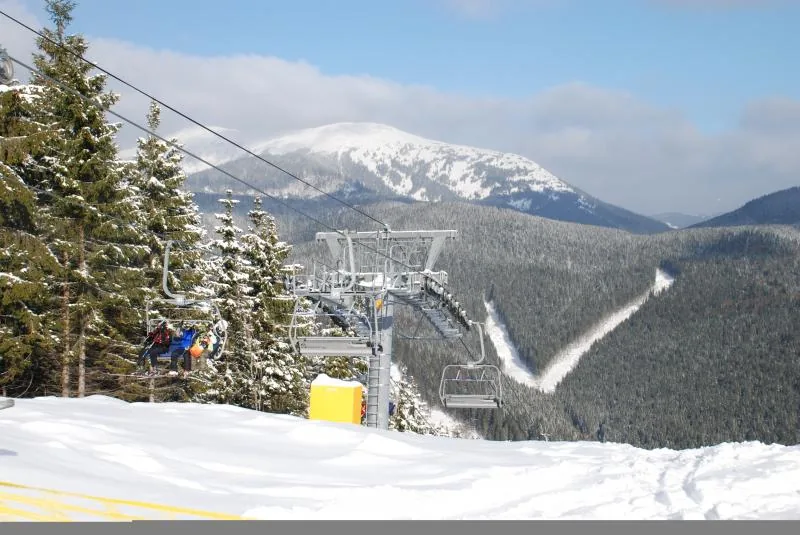 Zwei Skifahrer sitzen in einem Sessellift über einem verschneiten Wald und Berggebiet.
Photo: Olga Buko
Key facts
- Staff monitor boarding and disembarking areas and assist passengers.
- Technical teams inspect facilities in accordance with the operator’s requirements and those of the relevant supervisory authority.
- Announcements, signs and hand signals help guests during bad weather, waiting times and service interruptions.
- Children, inexperienced guests and people with limited mobility may need special assistance.
- If there is a disruption, passengers should stay where they are and wait for staff instructions.
Duties at the valley and mountain stations
At a station, staff manage access, monitor the vehicles and help guests who need assistance. On a chairlift, for example, this includes approaching the lift correctly, sitting down and lowering the safety bar. At the disembarking point, the marked area must be kept clear. In a gondola lift, staff monitor the doors, platform and movement of the cabins. Operating procedures vary by facility, so guests should always follow the instructions on site.
Providing information is also part of the job. Staff can explain which lift serves an open run, whether a connection has been suspended because of wind or where to find a meeting point.
Technical inspections and monitoring
Cable-car systems consist of many interdependent components: towers, cables, drives, vehicles, brakes, sensors and station equipment. Technical staff inspect components designated for safe operation and respond to anything unusual. Maintenance and inspection intervals depend on the facility, the operator, the manufacturer’s specifications and applicable regulations. In Austria, the Federal Ministry for Innovation, Mobility and Infrastructure is responsible for concessions and construction permits for funicular railways, aerial tramways, gondola lifts and combination lifts.
In strong winds, icy conditions, thunderstorms, poor visibility or during technical inspections, a facility may run more slowly or pause. An interruption does not automatically mean there is a fault. Passengers should remain calm, not open doors themselves and wait for announcements over the loudspeaker or instructions from staff. If you lose an item, report it rather than reaching into a restricted area.
Working conditions and qualifications
A working day at a ski resort can begin before the first passenger arrives and end with wrap-up duties after closing time. Staff work outdoors in cold, snow and wind, or in technical areas. Alertness, clear communication and following safety procedures are just as important as technical knowledge.
Treating staff respectfully is helpful to everyone. It is best to ask questions at designated points; keep waiting areas, barriers and workspaces clear. Before the ride, explain to children when to sit down, lower the safety bar and continue moving when they reach the disembarking point.
