
Seasonal Work at a Ski Resort: Jobs, Accommodation and Daily Life
Seasonal work at a ski resort combines a temporary job with a daily routine shaped by winter, guests and changing working hours. Jobs range from hotels and catering to ski schools and rental shops, as well as lift operations, cleaning and logistics. When considering an offer, you should compare more than just the pay and location: clarify the working conditions, accommodation and actual duties before signing a contract.
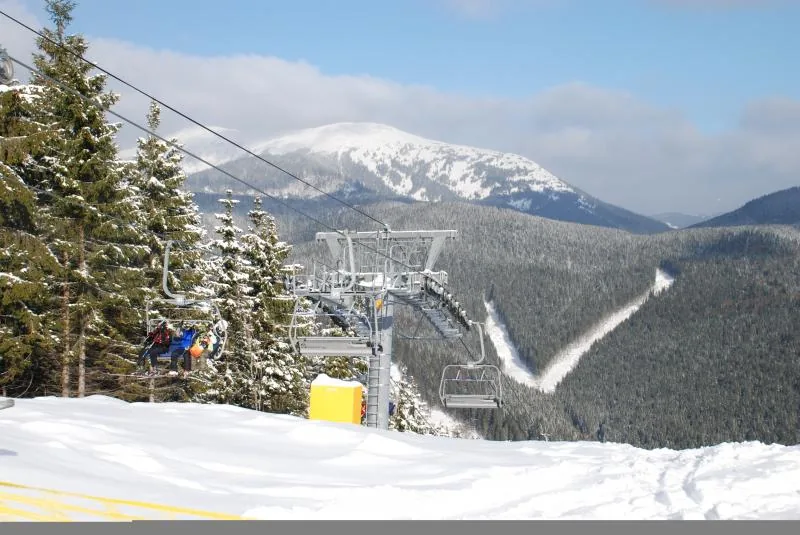 Zwei Skifahrer sitzen in einem Sessellift über einem verschneiten Wald und Berggebiet.
Photo: Olga Buko
Zwei Skifahrer sitzen in einem Sessellift über einem verschneiten Wald und Berggebiet.
Photo: Olga Buko
Seasonal work at a glance
- A seasonal contract should clearly state the start and end dates, job duties, place of work and pay.
- Working hours, breaks and rest periods must comply with the specific job and applicable law.
- Accommodation, meals, work clothes and a ski pass are additional benefits, not a given.
- Shift work may include early starts, evenings, weekends and public holidays.
- When it comes to accommodation and the journey home, consider the costs, cancellation terms and alternatives.
Questions to ask before signing
Job listings often give only a brief picture of day-to-day life. Before accepting an offer, applicants should ask about daily duties, the place of work, team size, season dates and the expected work schedule. It is also important to know who the contracting party is and which language is used at work. Verbal promises about tips, overtime, days off or a free ski pass should be confirmed in writing.
Germany’s Evidence Act sets out which key terms and conditions of employment must be documented. For a job abroad, the law of the country where the work is performed may apply; different forms, minimum standards and authorities may be relevant there. Legal advice or the relevant employment office can help with any questions.
Working hours and rest
Depending on the job, the working day at a ski resort can start very early. Lift staff need to be ready before the first lifts open, while catering and night operations tend to work in the evening or late at night. Anyone working multiple shifts needs a reliable schedule for sleep, meals and getting to work. Rules on working hours, breaks and rest periods must be observed at the place of employment; how they apply in practice depends on the country and any exceptions.
Even during a busy season, rest and safe working practices are important. Cold, wet weather, altitude, slippery paths and heavy lifting can increase the strain. Work clothing, training and a contact person should be arranged before the first shift. If you become ill or have an accident, report it according to the established procedure.
Accommodation and daily life
Staff accommodation can be convenient, but it is not necessarily free or quiet. Find out about rent, deposits, room-sharing, utility bills, internet access, laundry facilities, house rules and the distance to work. A short commute is especially valuable in winter, when buses may run less frequently or roads may be icy. Photos and a precise address can help you assess the offer realistically.
Free time often comes in short windows. If you want to ski, check whether a discounted ski pass is available, when your days off fall and whether you can rent equipment. The ski lifts at the resort and the guide to understanding the ski resort can help you find your way around, but they do not replace information from your employer about discounts.
Make a realistic decision
A seasonal job can offer work experience, language practice and an insight into life in a mountain region. At the same time, it often means less spontaneous free time, high demand for accommodation and physical exertion. Before leaving, make sure you have savings, health insurance, essential documents and a plan for getting home. Reputable employers provide clear contact details and transparent contract terms.
Before signing, write down all costs and benefits in a simple list. This makes it easier to compare offers with different accommodation, meals or shift schedules fairly and avoid misunderstandings later.
FAQ: Seasonal work at a ski resort
What should the contract include? Duties, start and end dates, place of work, pay, working hours, vacation, termination terms and other key employment conditions should be clearly documented.
Is accommodation always included? No. The price, room, utility costs, deposit and rules must be explicitly agreed upon.
What working hours are typical? It depends on the role. Lift operations, kitchens, reception and cleaning may involve different early, late or rotating shifts.
Does German employment law apply abroad? Not automatically. The applicable law depends on the circumstances and the place of work; a qualified organisation can help.
How can I tell whether an offer is legitimate? Look for a clear contract, reliable contact details, transparent costs and specific answers about duties, accommodation and the work schedule.
