
Lift Operations in Winter
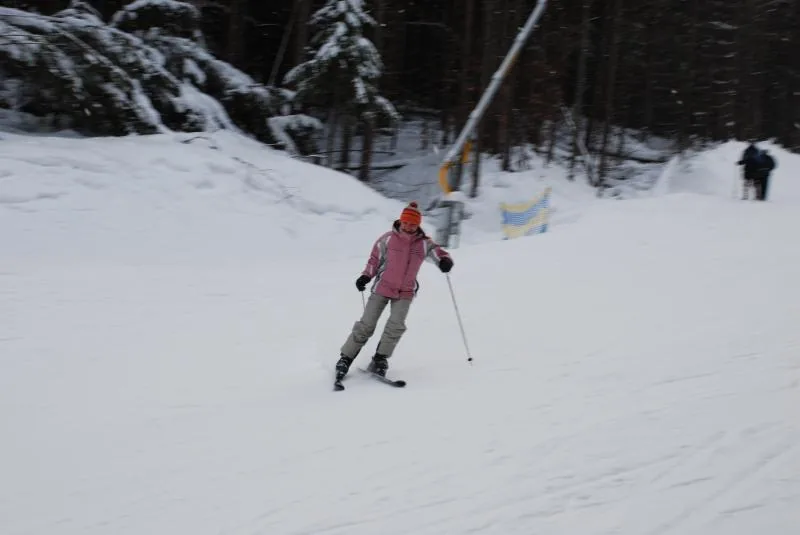 Skifahrer in pinker Jacke und orangefarbener Mütze fährt einen verschneiten Hang hinab.
Photo: Olga Buko
Key facts
- Wind can restrict lift operations; direction and gusts matter as well as wind speed.
- Weather and temperature can differ significantly between the valley and mountain stations.
- Icing, thunderstorms, extreme cold, poor visibility, maintenance and technical inspections can cause interruptions.
- Operators assess conditions for each lift and decide whether to open or suspend it.
- A lift interruption does not automatically mean that all lifts and slopes in the area are closed.
- The latest updates from the specific ski area are essential for planning your day and considering alternatives.
Why lifts pause in winter
Operations depend on more than just snow conditions. Wind, icing, extreme cold, thunderstorms, poor visibility, maintenance and technical safety checks may make an interruption or delayed opening necessary. Conditions are assessed at the lift itself, not just by looking at the weather in the valley.
Wind and temperatures on the mountain
Wind direction and gusts can be just as important as measured wind speed. On an exposed lift line, crosswinds or oblique winds have a different effect from winds blowing along the route. It may also be calm in the valley while stronger winds blow higher up the mountain. In the Levi ski area, the operator distinguishes between wind blowing along the lift line and crosswinds or oblique winds.
Temperatures also vary along the mountain. A temperature inversion can mean that it is colder at the valley station than higher up. Decisions therefore take into account readings from relevant locations and whether passengers can be safely accommodated if the lift stops for technical reasons. The guide to drag lifts, chairlifts and gondolas explains the differences between lift types. In Levi, operating decisions also take into account the possibility of evacuating passengers in extreme cold.
Icing, thunderstorms and inspections
Moist air and freezing drizzle can cause ice to form on cables and components. Operators need to monitor such conditions and take action or suspend the lift if necessary. Thunderstorms bring not only a risk of lightning, but often strong gusts of wind as well. In the Levi ski area, weather conditions and lift lines are checked before opening.
Maintenance and technical safety checks can also mean that a lift is temporarily out of service. Cable car technology explains further differences between lift types. During an interruption, individual lifts, mountain elevations or connections may be affected differently. So an open valley station does not automatically mean that every connection and run is accessible.
How to plan your ski day
- Check the ski area's latest lift and piste updates the evening before and again in the morning.
- If there is wind, icing or poor visibility, allow extra time and plan a safe alternative.
- Follow staff instructions and use only lifts that have been cleared to operate.
- If a lift is paused, check whether its restart has been announced or other areas remain open.
FAQ
Is there a general wind limit for all lifts?
No. The decision depends on the lift, wind direction, icing, temperature, visibility, terrain and local rules. The latest update from the operator concerned is the authoritative source.
