
Obergurgl-Hochgurgl Skiing
Quick facts about Obergurgl-Hochgurgl
Obergurgl-Hochgurgl suits travellers who want a compact alpine setting and a clearly organised ski day. The best choice depends less on the place name than on the exact accommodation, the route to the lifts and the needs of the group. Compare the destination with other options for skiing in Austria before booking, then check whether the high-altitude setting, village atmosphere and travel time fit your plans.
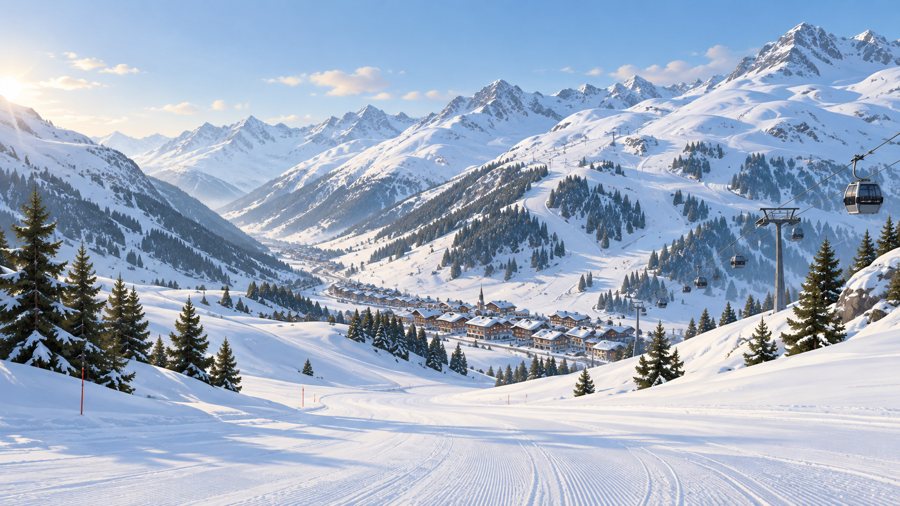 AI-generated illustration; not a documentary view.
Photo: OpenAI
AI-generated illustration; not a documentary view.
Photo: OpenAI
- Obergurgl-Hochgurgl is a high-mountain ski destination in the Ötztal, Tyrol.
- Accommodation location, lift access, ski school and daily transport should be compared together.
- Snow, open lifts, pistes and operating times depend on weather and the season.
- Families benefit from a simple route to practice areas, lessons, breaks and the accommodation.
Accommodation and daily access
Before booking, check the distance to the lift, ski school, practice area, equipment hire and a suitable place for breaks. A ski room or drying area makes mornings easier, especially when children or several adults need to prepare at the same time. Hotel guests should compare breakfast and dinner times with the first and last lift connections. In an apartment, shops and restaurants can matter more than a small difference in the nightly price.
Travellers without a car should confirm the local connection between accommodation and ski area. By car, allow for winter tyres, possible chains, parking and the final road section. A cheaper room can become less convenient if it adds a long transfer every day. Include accommodation, lift pass, transport and equipment in one comparison rather than judging the room price alone.
Skiing for families and experienced groups
Beginners need an uncomplicated route to lessons, a manageable first slope and warm places for pauses. Families should ask how easily children can return to the accommodation and whether the daily timetable leaves enough time for meals and changing clothes. Experienced skiers can compare the terrain they actually want, the lift connections, altitude, piste orientation and the time needed to return before closing.
Not every traveller needs a full day on skis. Walking, tobogganing, swimming or a village visit can broaden the programme; the winter sports guide provides ideas for non-ski days. For a second Tyrolean comparison, look at skiing in Tyrol and compare travel time, resort scale and the character of the base.
Snow, altitude and current information
The high location can be an advantage in the early and late parts of the season, but altitude also means wind, cold and changing visibility. Open lifts, pistes, snow conditions, road access and safety measures can change during a holiday. Before departure, check the current information for the exact area connected to your accommodation rather than relying on a general description of the region.
The official Gurgl information is the right place to check current lift operations, weather-related notices and local details. Prices, opening times, snow and transport should be treated as date-dependent. Keep a flexible plan for a day when wind or visibility affects the available terrain.
Travel costs and comparisons
Budget for the journey, accommodation, lift pass, lessons, rental equipment, food, parking and local charges. Families may also need to account for shorter ski days, childcare arrangements or an additional rest day. Prepare clothing, helmets, gloves and ski equipment the evening before so the morning route is clear and the group can start without avoidable delays.
Within the Ötztal, Sölden offers a useful comparison for travellers considering a larger and more active ski area. The Zillertal can be considered when several connected areas and a different valley structure are important. For wider regional planning, compare skiing in East Tyrol, skiing in Salzburg and skiing in Styria according to journey, terrain and the preferred pace of the holiday.
Questions before booking
Is Obergurgl-Hochgurgl suitable for families?
It can be, if the accommodation, practice area, ski school and daily transport form a simple routine. Check the route for children and allow time for breaks.
What should experienced skiers compare?
Compare the terrain, altitude, lift connections, piste orientation, current operations and the return route to the accommodation.
Does high altitude guarantee skiing conditions?
No. Wind, visibility, snow, safety work and lift operations can change the available terrain. Check current information for the travel dates.
Which costs belong in the budget?
Include accommodation, transport, lift pass, lessons, equipment, food, parking and local charges, plus a reserve for weather-related changes.
