
Czarna Woda: Local History and Cultural Heritage
Accommodation in Czarna Woda
You can get to know Czarna Woda through several specific landmarks: Chyża Babci Matrony, the shrine in Masłejakówka, and the stream of the same name. Together, they offer insight into the area’s history and the surrounding landscape. Nearby, a quest adds a local perspective on the history of areas once inhabited by the Lemkos. When planning your trip, it is helpful to distinguish between the different places and topics.
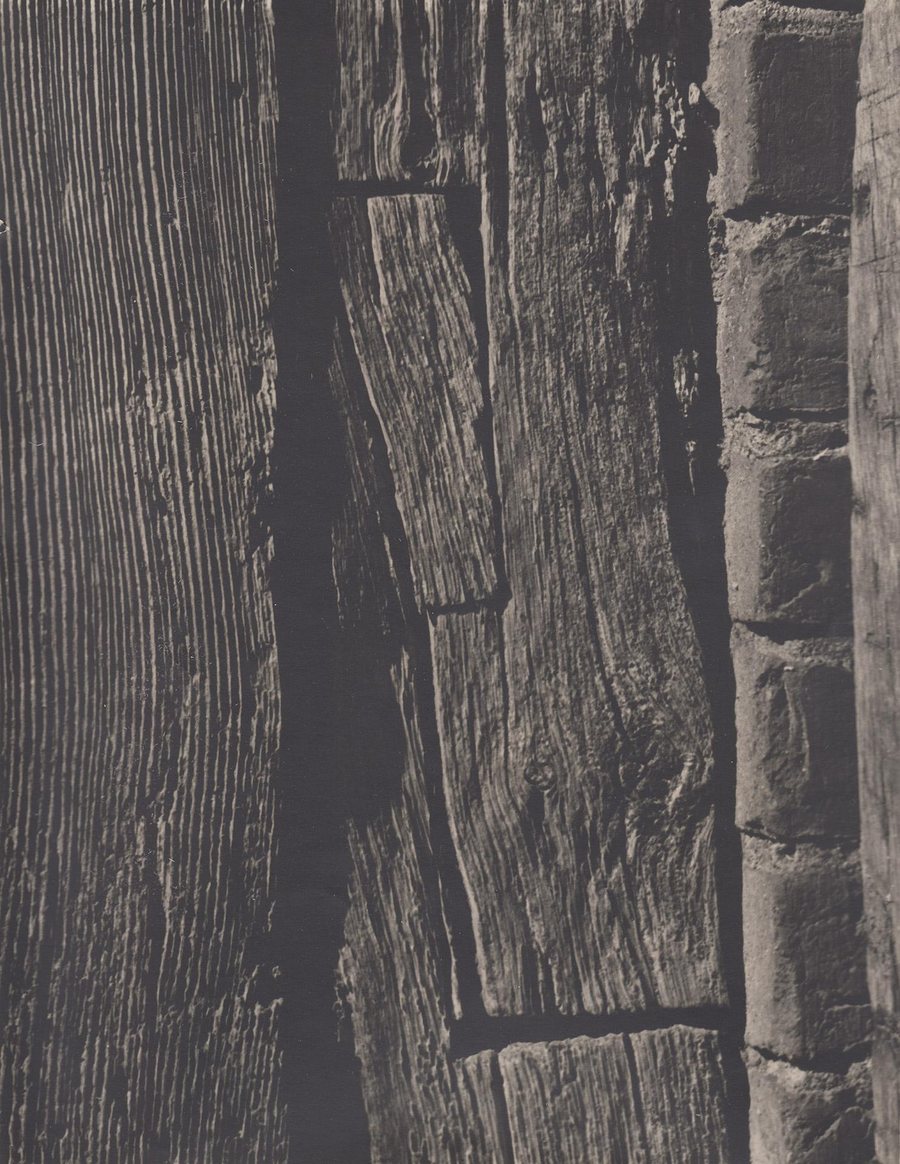 File:Złącz podwaliny chałupy zrębowej - Czarna Woda - 000984p.jpg
Photo: Krzysztof Kwaśniewski via Source, CC BY-SA 3.0 pl
Chyża Babci Matrony: House and Collection
Chyża Babci Matrony has stood in the village of Czarna Woda since at least the 19th century. Today, the village is one of the streets of Jaworki in the municipality of Szczawnica. Despite ongoing renovation, the Chyża is partially open to visitors by prior arrangement with the owner. If you plan to visit, arrange it with the owner in advance.
The collections include a historic rural building with a cellar and an outhouse, as well as a chapel. They also include old furniture such as chests and a cradle, household items, religious objects such as icons and a small Ruthenian cross, authentic Ruthenian costumes, sculptures, photographs, and family records. The collection thus brings together architectural and domestic items with religious objects, clothing, and personal family memorabilia. Those interested in cultural history will find a variety of perspectives here: from the rural building to everyday objects, photographs, and family records.
Czarna Woda in its Regional Context
The settlement’s history also helps put the area in context: Czarna Woda was one of the four settlements that formed Ruś Szlachtowska. This was the westernmost enclave of Lemko settlements in the Carpathians. Two different scales are represented here: the Chyża Babci Matrony collections as a specific landmark in Czarna Woda, and the history of a regional unit formed by four settlements.
Another local landmark is the shrine in Masłejakówka. It stands on the site of a planned Orthodox church, in the oldest, lower-lying part of the village near the border with Jaworki. Its location and connection to the planned church make it a distinct landmark in local history. Together with the Chyża, it illustrates different aspects of cultural heritage: a collection of buildings and objects in one case, and a shrine at a historically significant site in the other.
The Stream and Things to Do Nearby
The Czarna Woda stream should be distinguished from the place of the same name. It is 6.99 km long, is a right tributary of the Grajcarka, and flows through Czarna Woda before entering the area of the village of Jaworki. In the broader regional context, the stream is considered an important landscape feature of the Beskid Sądecki. Its length and course provide geographic context, while the village’s historical background belongs to the history of settlement.
Nearby, there is a quest called “U źródeł Białej Wody” that can be played at any time. It starts in the center of Jaworki, in a square at the intersection of Czarna Woda and Pod Homolami streets. The route passes through the Biała Woda Nature Reserve in the Little Pieniny range and introduces the history of areas once inhabited by the Lemkos. The quest thus combines a specific route with regional history, while its starting point is in Jaworki. Check the route details before setting out, as they may change.
For the overall travel guide: Szczawnica.

