
Discover Caposele: Springs, Culture and Regional Specialties
Accommodation in Caposele
When choosing accommodation in Caposele, it makes sense to look beyond a single attraction and consider the interplay of water landscapes, religious heritage, museums, activities and regional cuisine. The Sorgenti del Sele give the area a clear geographical theme. Added to this are churches in the historic center and near the springs, exhibitions on local development, Leonardo da Vinci’s inventions and traditional specialties. This makes it possible to experience Caposele according to your interests: in a nature-focused, cultural, spiritual or culinary way.
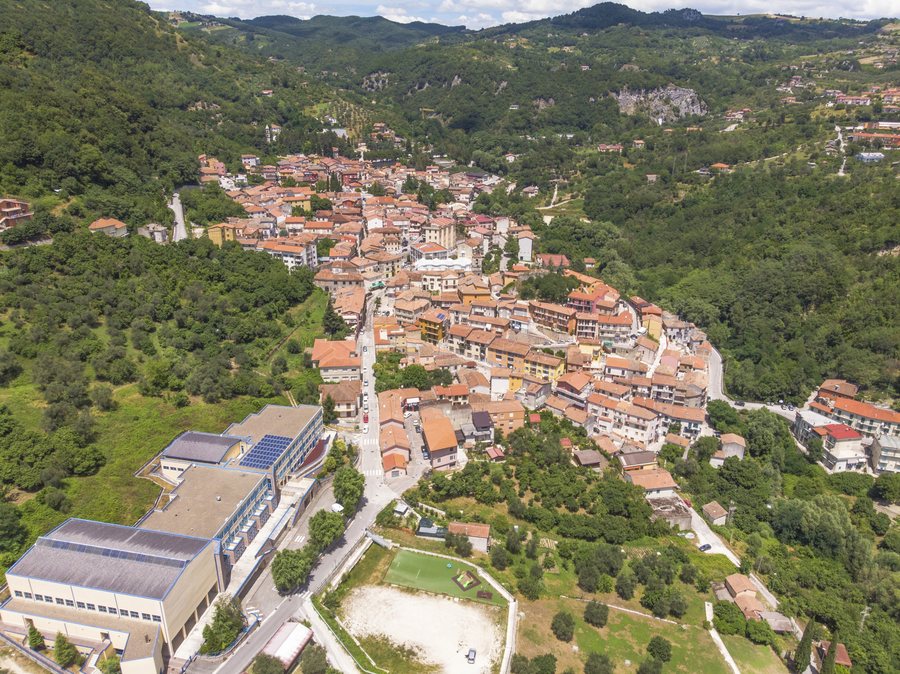
- The Sorgenti del Sele rise in the municipality of Caposele at an elevation of 420 meters from a large limestone rock face.
- The Parco Fluviale is a protected natural area with walking paths and excursions for observing the local flora and fauna.
- The Ciclovia dell’Acquedotto Pugliese is a 500-kilometer cycling and hiking route along two historic pipelines.
- The Museo delle Acque displays equipment and cartographic material relating to routes and historically and architecturally significant places in the surrounding area.
- The Chiesa di San Lorenzo Martire – Tempio Artistico di San Lorenzo – stands in the historic center of Caposele.
- Matasse are a typical homemade pasta made from durum-wheat and soft-wheat flour.
- Muffletto is produced exclusively in the municipality of Caposele and made by some artisan bakeries using methods passed down over many generations.
Springs, waterworks and the course of the Sele
The underground waters of the Sorgenti del Sele feed the Sorgente Sanità and are then collected at the Tredogge spring. This is where the Sele begins its course, continuing as far as Capaccio Paestum. Anyone exploring the importance of water in Caposele can follow this connection between the spring, collection points and the river course.
The technical side of the water landscape includes the intake facility of the Sorgenti del Sele. It still has the original sluice gates, dating from 1909 and still functioning. It also offers a view of the underground structures leading to the Galleria Pavoncelli. Near Piazza Sanità, a park includes water infrastructure and the first headquarters of Acquedotto Pugliese SpA. In Caposele, therefore, you encounter not only natural springs but also tangible evidence of water management.
Museums and churches with different focuses
The Museo delle Acque consists of six rooms and tells the story of the social, territorial and cultural changes in Caposele since 1900. In an educational workshop, visitors can learn about the characteristics of traditional local agricultural and food products such as Matassa, Muffletto and Caposele-Amaretto.
The Museo delle Macchine di Leonardo houses a permanent exhibition on the inventions of Leonardo da Vinci. Around twenty wooden reproductions based on Leonardo’s original drawings are divided into four categories: water, air, earth and fire. This creates a distinct focus for your visit, combining technical ideas with historical presentation.
The Chiesa di San Lorenzo Martire stands in the historic center. Inside, the ceiling and walls evoke flowing water; the liturgical space appears as one great river, with the altar as its center and source. The Chiesa di Santa Maria della Sanità – Chiesa della Salute – is located in Caposele near the Sorgenti del Sele. Its furnishings include a fresco of the Madonna della Sanità dating from 1200.
The Basilica di San Gerardo is also connected with the religious history of the area. It was enlarged from October 16, 1913, to August 31, 1929, and received the title of minor basilica on February 18, 1930. The Museo Gerardino displays paintings depicting important moments in the life of San Gerardo, devotional objects donated by believers and a reconstruction of the cell in which San Gerardo lived.
Activities, festive traditions and regional cuisine
For active days, the Lancia del Sole sector in the Caposele–San Vito climbing area is suitable for climbing at any time of year. The Ciclovia dell’Acquedotto Pugliese, on the other hand, offers a very broad perspective. It follows the Canale Principale from Caposele to Villa Castelli and then the Grande Sifone Leccese to Santa Maria di Leuca. Its character as a cycling and hiking route makes it an appealing option for visitors who want to combine waterworks and physical activity.
Every year, on the third Sunday in August, celebrations in honor of the Virgin Mary begin at the Chiesa di Santa Maria della Sanità. If you are interested in local cuisine, a culinary workshop on preparing Matasse conveys their history and production process. Participants can try stretching the dough themselves.
The local culinary history also includes cellars carved into the rock. Wine, cured meats and cheese were once stored in them; some old artisan machines and historic containers used for production and storage are still present. Muffletto is made by some artisan bakeries and sold, among others, to pilgrims visiting the sanctuary of Materdomini in Caposele. When choosing accommodation, such themes can be decisive if, in addition to nature and culture, you would also like to include regional products in your travel plans.
For an additional comparison with another destination, you can also take a look at Montella.
For the broader travel overview: Avellino.

