
Salgótarján: Geology and Mining History
Accommodation in Salgótarján
Salgótarján offers several ways to explore geology and industrial history: Geocsodák Háza provides insights into the history of the Earth, Bányászati Kiállítóhely makes mining methods tangible, and Petőfi sétány follows the route of a former stone-transport railway. For your trip planning, you can distinguish between the sites by their focus: interactive displays, developed mine sections, or a yellow-marked trail.
Geology at the Visitor Center and Baglyaskő
Geocsodák Háza is located in the visitor center of the Novohrad-Nógrád Geopark. It offers interactive displays and talks on geology and the history of the Earth. These activities provide an informative introduction to the subjects. The visitor center’s grounds also include a locally protected natural area with the volcanic basalt rock of Baglyaskő. This places the geological information alongside a specific natural feature of the area.
If you are planning to attend displays or talks, check the current opening hours before your trip. The park and the rock offer a different experience from the events at the visitor center: here, the protected area itself and its basalt rock are the focus.
Mining Methods in Developed Mine Sections
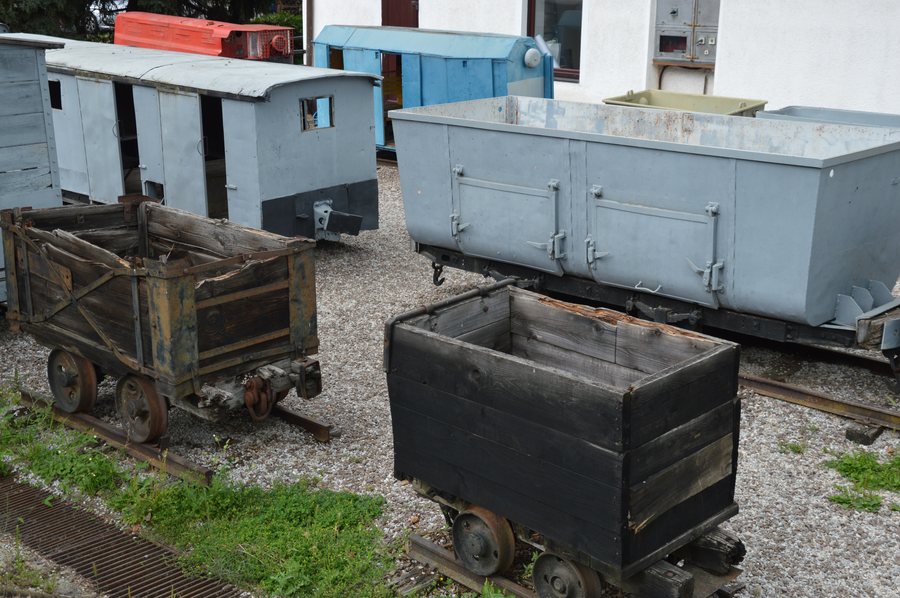
At Bányászati Kiállítóhely, visitors can walk through developed mine sections and learn about different mining methods. These range from pickaxe mining and drilling-and-blasting to longwall mining with a shearer. The methods are therefore more than just technical terms: they are connected to mine sections that visitors can walk through. Those with a particular interest in technical and industrial history will find a different focus here than at the geology displays.
The operator publishes current visitor information. Checking it before your trip will help you plan your visit according to the conditions in effect at the time.
The History of the Route and a Nearby Castle
Petőfi sétány is a yellow-marked trail. It passes the Eresztvényi Látogatóközpont and follows the route of a former narrow-gauge stone-transport railway. The trail thus links a present-day route with a former transport function: the railway was used to transport stone, while the sétány is described as a marked trail. Check local trail conditions before setting out.
Another historical highlight is nearby Salgó Castle. It was built in the late 13th or early 14th century. This medieval connection complements the technical topics of mining and the former transportation of stone. The castle should be considered a nearby destination, not part of the sites described in the town.
Geological Perspective in the Wider Destination of Neuburg
The Boszorkány-kő geological educational trail is located in the Karancs-Medves Landscape Protection Area, within the wider destination of Neuburg. The protected area was established in 1989 and currently covers 6,928.6 hectares. The trail illustrates basalt volcanism that occurred 2.4 to 5.2 million years ago. It presents rocks from a small fissure volcano, including sediment inclusions torn up from deep underground, curved lava plates, and basalt columns formed by weathering. These examples broaden the perspective on the geological topics encountered at Geocsodák Háza and Baglyaskő in Salgótarján.
Discover more destinations: Cered
Return to the main travel overview: Salgótarjáni.

