
Paradohuta between springs, glassworks and hiking trails
Accommodation in Paradohuta
Paradohuta can be experienced particularly through its springs, its glassmaking history and several different hiking connections. If you are considering accommodation in Paradohuta, you can plan your stay according to whether you are looking for short routes to a spring, a hike with a clear connection to the village or a historical trail. The specific destinations are not all located at the same starting point: one spring is situated on the southeastern edge of the village, a hiking trail begins in the centre, and other trail connections lead towards the Mátra.
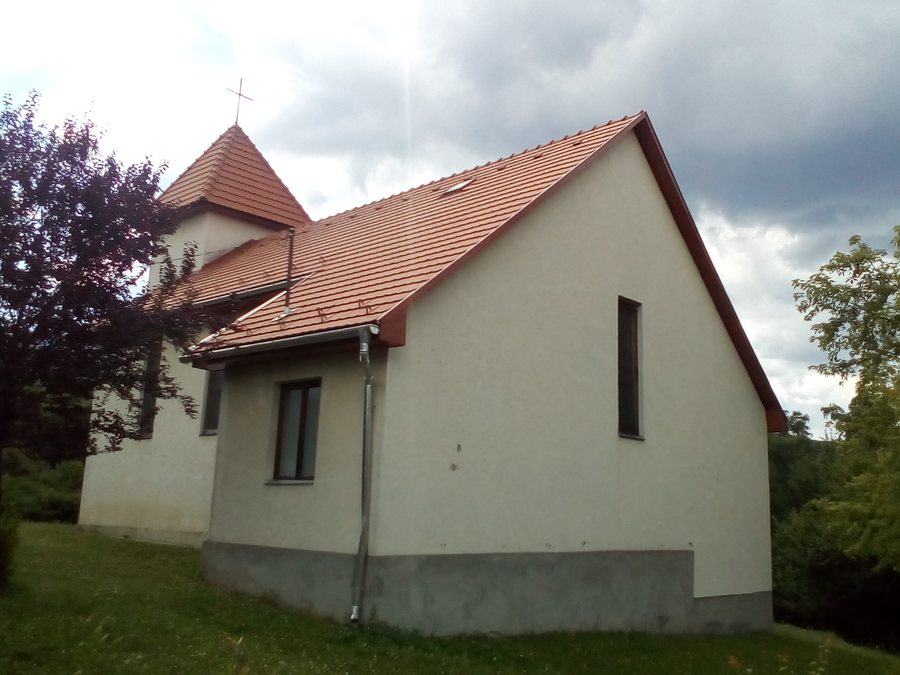
- Spring landscape: Paradohuta has several Csevice springs with different structural and mineral characteristics.
- Historical connection: The local history of glassmaking dates back to the founding of a workshop in 1708.
- Hiking start in the village: The „Csevicék nyomában a Mátra északkeleti lábánál“ trail begins at the bell tower in the centre.
- Day hike: „A kis Rákóczi turistaút a Mátrában“ is a shortened section of the Rákóczi Tourist Trail and can be completed in one day.
- Hiking destination: Paradohuta is considered a good endpoint for hikes leading north from Kékes.
- Orientation: Information is available about a VOLÁN stop for arrival; the Clarissa Spring is easy to reach by car.
Springs and landscape on the edge of the village
On the southeastern edge of Paradohuta, at the edge of the forest, lies the Clarissa Spring. Its location combines a connection to the village with a distinctly scenic setting, without implying a single route to all the other destinations. When planning your day, it is therefore important to distinguish between a short visit to a spring and a longer hike with its own starting or endpoint.
The Klarissza Spring in Paradohuta is a Csevice spring. Its water contains hydrogen sulfide and carbon dioxide. In addition, the iron- and lithium-containing, carbonated water of the Clarissa Spring is used as a drinking cure. At a Csevice spring, visitors can taste carbonated, slightly sulfurous mineral water from a covered well pipe.
Paradohuta's special features include two Csevice springs: the Klarissza-csevice, with a developed well and a drinking pavilion, and the Tót-berki-csevice. The different names and features make the springs independent landmarks for a stay. Those who choose this focus can consider visiting the springs as a separate activity alongside a hike or a tour of the village.
Glassmaking history with a specific connection to the village
The parád-óhutai glass workshop was founded in 1708 by II. Rákóczi Ferenc near the Klarissza Spring. The glassworks founded by II. Rákóczi Ferenc in Paradohuta was later moved to Parádsasvár. This gives the village a historical connection that is directly linked to the spring and the former craft use of the surrounding area. This connection is especially interesting for visitors who do not want to view nature experiences and regional history separately.
The history of glassmaking is not an indication of a workshop that exists today or of a current offering. Rather, it helps place Paradohuta in its geographical and historical context. Together with the springs, it creates a village character in which water, the forest edge and the memory of former glass production offer different themes for a stay.
Hiking trails for different day plans
The „Csevicék nyomában a Mátra északkeleti lábánál“ hiking trail begins in the centre of Paradohuta at the bell tower. This fixed starting point makes it easier to orient yourself when planning a hike, without making any statement about the length, difficulty or current trail conditions. Beginning in the village distinguishes this trail from destinations that start only at the edge of the settlement or outside the village.
Another option is „A kis Rákóczi turistaút a Mátrában“. The trail is a shortened section of the Rákóczi Tourist Trail and can be completed in one day. For planning your day, this provides a clearly defined alternative to a longer hike. The statement that it can be completed in one day describes the trail's time frame, but does not replace any assessment of personal fitness, weather or current conditions.
Paradohuta is also considered a good endpoint for hikes leading north from Kékes. This means that the village can be included in a hiking plan even when the route does not begin in Paradohuta. This connection is relevant for visitors who choose accommodation not only according to a single destination, but also according to the possible role of the village within their day plan. This does not claim that there is a specific connection between the individual trails.
Orientation on arrival
For orientation by bus, Parádóhuta-Harangláb on Széchenyi út is the nearest VOLÁN bus stop for Paradohuta. The name of the stop provides a specific reference point for planning your arrival. This does not imply any timetables or a particular service frequency. Those wishing to visit the Clarissa Spring can reach it easily by car.
If you would like to compare other places, you can find Mátraderecske, Parád, Bodony and Parádsasvár here.
For the higher-level travel overview: Pétervásárai.

