
Csernely: Baroque Church, Organ and Spring History
Accommodation in Csernely
Csernely can be understood through several specific features of its local history: the Baroque-style Roman Catholic church, an organ dating from 1790, the history of the Csevice Spring and a culinary hallmark. These topics tell different stories: architecture and music point to the church’s history, the spring to a change during mining, and the dish to the town’s culinary character. When planning a stay, it helps to distinguish Csernely itself from the wider travel destination of Borsod-Abaúj-Zemplén, which encompasses other distinct nature and culture topics.
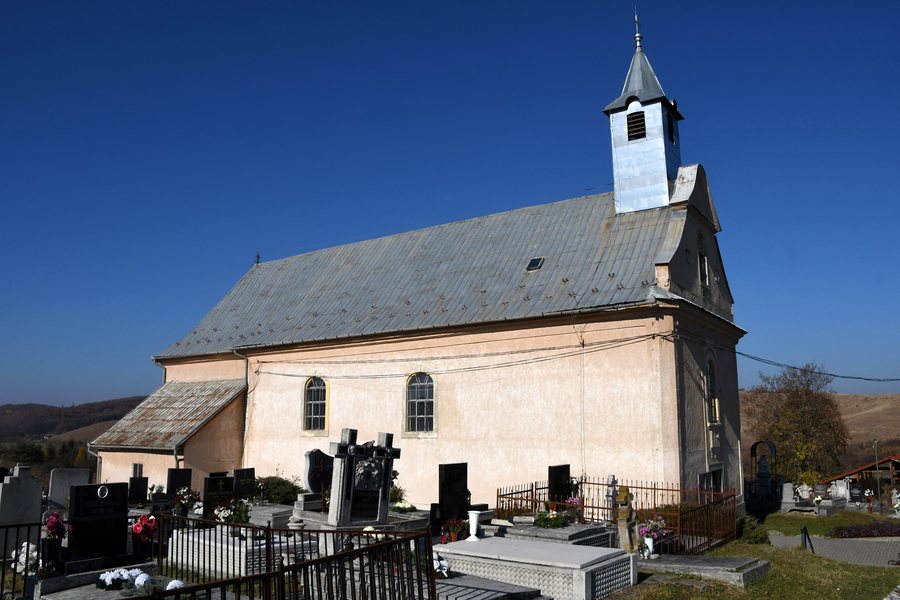 File:Csernely, római katolikus templom 2021 01.jpg
Photo: Pasztilla aka Attila Terbócs via Wikimedia Commons, CC BY-SA 4.0
Church and organ: two historical milestones
The Roman Catholic church in Csernely was built in the Baroque style in the 18th century. Its organ dates from 1790 and remains functional after restoration and repair. The two dates refer to different things: the 18th century places the church’s construction in context, while 1790 gives a more precise date for the instrument. The church’s architectural history and its organ thus stand side by side as two distinct aspects of local history. Those interested in church architecture or historical musical instruments will find two specific points of reference for understanding Csernely’s cultural heritage.
Spring history and a culinary hallmark
The Csevice Spring was discovered in the 18th century. Its carbonated water made Csernely well known; healing properties were attributed to it. The spring disappeared during mining and can no longer be found today. Its healing properties are therefore a historical attribution. Another aspect of local history is túrós derelye filled with potatoes, considered Csernely’s culinary hallmark. The potato filling is the dish’s specific distinguishing feature, while the spring’s history offers a different way into the town’s past. Together, the two topics give an impression of different facets of local identity: a natural history rooted in the past and a culinary specialty.
Regional setting: Borsod-Abaúj-Zemplén
The wider travel destination of Borsod-Abaúj-Zemplén offers other distinct nature and culture topics. The Baradla-Domica Cave System is part of the UNESCO World Heritage site of the Caves of the Aggtelek Karst and Slovak Karst. The short Aggtelek Cave Tour is 1 kilometer long, takes 60 minutes and is rated easy. These details answer different questions: the World Heritage status applies to the cave system, while the length, duration and difficulty describe the specific tour. If you plan to take this tour, check the latest tour information before your visit.
Another opportunity to observe nature in the wider travel destination is the Hucul herd on the pastures of Gergés-lápa. It can be visited year-round; the pasture area lies about 1.5 kilometers north of Jósvafő. Animal watching offers a different focus from a cave visit. As animal management regulations may change, check the latest guidance before making specific plans.
The Tokaj wine region is also part of this regional setting. The climate, soil quality and slope exposure are suitable for growing grapes; the region is also a legally protected wine-growing area. Natural growing conditions and legal protection status are thus distinct features. Compared with the caves and animal watching, this topic turns to the wine landscape and its importance to the wider travel destination.
Discover more destinations: Nekézseny.
For the wider travel overview: Ózd.

