
Borsod-Abaúj-Zemplén: Caves, history and wine country
Accommodation in Borsod-Abaúj-Zemplén
Cave tours, historic buildings, nature trails and the Tokaj wine region give a trip through Borsod-Abaúj-Zemplén a variety of focuses. When choosing accommodation, it is therefore worth first considering which experiences matter to you: a cave tour, cultural history, landscapes or winegrowing. Each of the places mentioned offers its own points of interest.
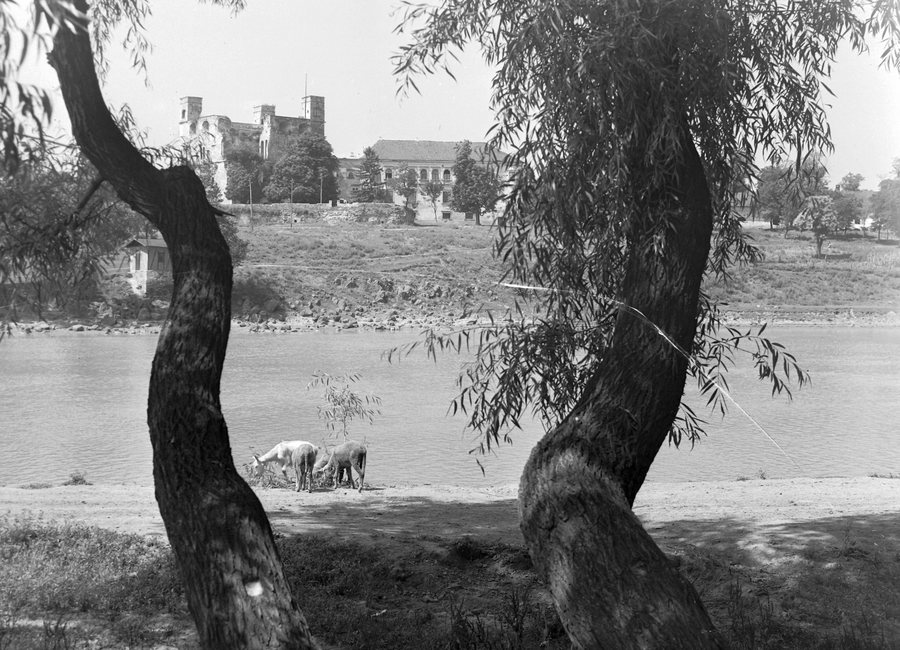 Sárospatak, Borsod-Abaúj-Zemplén County: Rákóczi Castle from the left bank of the Bodrog
Photo: Photo: Lechner Nonprofit Kft. Dokumentációs Központ
Sárospatak, Borsod-Abaúj-Zemplén County: Rákóczi Castle from the left bank of the Bodrog
Photo: Photo: Lechner Nonprofit Kft. Dokumentációs Központ
Nature and landscape
In the Zemplén Landscape Protection Area, the Zemplén Mountains shape the landscape and, in turn, influence the area’s plant and animal life. The mountains are part of the Eperjes-Tokaj mountain range, which connects to the Carpathians to the north in Slovakia. If you are interested in landscapes and natural features, this offers a different way to experience the region than visiting historic buildings.
In Lillafüred, too, nature and local history go hand in hand: the nature trail there introduces visitors to both. In Miskolctapolca, the parkland forms an arboretum with numerous native species; it also includes a boating lake with several small islands. Another natural landmark is the Szinva Waterfall, considered Hungary’s highest waterfall. Szent István Cave is known for its stalactite formations.
Caves and outdoor experiences
The Baradla-Domica cave system is part of the UNESCO World Heritage site of the Caves of the Aggtelek Karst and Slovak Karst. For a short cave tour, Aggtelek offers an easy route: it is 1 kilometre long and takes 60 minutes. These details help you consider the tour as a standalone activity without equating it with longer outings.
A nature trail connects the Aggtelek and Jósvafő entrances to Baradla Cave and introduces the area’s natural and cultural heritage. In Jósvafő, you can also go horseback riding at the Kúria Lovasbázis grounds. Another way to encounter the landscape is to visit the Hucul herd, which can be seen year-round in the pastures of Gergés-lápa, around 1.5 kilometres north of Jósvafő.
If you are looking for walks or runs of varying lengths, the Majál tours from Majális Park range from easy half-hour walks to half-marathon distances. Organised water tours are available on the Bodrog and in the Bodrogzug. These are independent ways to experience the region outdoors; no specific route or duration details are provided.
Castles, culture and history
Diósgyőr Castle flourished under King Louis the Great in the 14th century. It later served as a residence and as a wedding gift for six queens. In Miskolc, the National Theatre offers a different cultural highlight: the performing arts complex has five stages.
In Sárospatak, the Reformed College preserves treasures of Hungarian Protestant culture. The Basilica of St. Elizabeth and the House of St. Elizabeth bring the medieval world to life. If you would like to complement your stay with thermal facilities, the Végardó Bath has thermal pools and a sauna world.
Tokaj wine country and cellars
The climate, soil quality and slope exposure of the Tokaj wine region are suitable for growing grapes. It also has legal protection as a protected wine-growing area. In Sátoraljaújhely, the Ungvári cellar labyrinth connects at least 27 cellars and covers a ground area of 50,000 square metres. Another cellar complex lies beneath the park of Rákóczi Castle in Sárospatak: it is about 2,000 metres long and includes two wine-tasting rooms.
For regional orientation, you can also find pages about Miskolc, Kazincbarcika, Sátoraljaújhely, Tokaj and Ózd.
For the broader travel overview: Hungary.
More destinations
More places in the same destination:
