
Cserkút: Spring, Church and Local History
Accommodation in Cserkút
A spring in its present form since 1933, an Árpád-era church with frescoes and local collections give Cserkút a clear connection to cultural history. Other attractions include a washhouse, a fishing lake and Canadomb. The local attractions therefore range from architectural and local history to other named destinations.
Cserkút’s Spring, Church and Collections
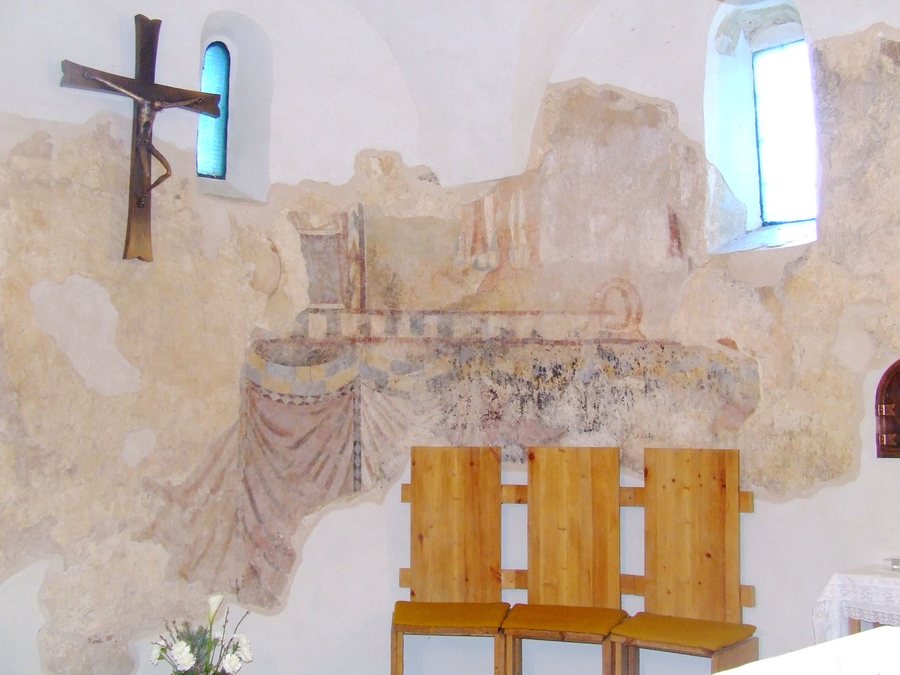
The spring in Cserkút was built in its present form in 1933; a washhouse was constructed in front of it and is also one of the attractions. The spring and washhouse can therefore be viewed as related elements of the local architectural history; the year refers to the spring’s present appearance. The Árpád-era church in the village centre has frescoes. The term Árpád-era places the building in a historical period, while the frescoes identify a distinct aspect of its interior. Those exploring architectural history can thus view the spring and washhouse, and the church and its wall paintings, as separate themes.
The local history collection and the stone collection add two further dimensions to the attractions. Their names alone show the difference: the local history collection focuses on the history of the village, while the stone collection focuses on rocks. Together with the church’s frescoes, they offer a choice between local historical subjects and a nature-related collection. A fishing lake and Canadomb are also among Cserkút’s attractions.
More to Explore in the Wider Destination of Baranya
In the wider destination of Baranya, the Early Christian Necropolis of Sopianae in Pécs offers a different historical focus. It comprises decorated tombs from the 4th century, built as underground burial chambers with above-ground memorial chapels. Richly decorated Christian wall paintings are also part of the necropolis. Its architecture, burial spaces and paintings can be viewed together. By comparison, Cserkút’s spring, washhouse and Árpád-era church are rooted in the local setting; Sopianae brings Early Christian funerary architecture to Baranya as a distinct historical perspective.
A second cultural destination in the wider region of Baranya is the Zsolnay Cultural Quarter in Pécs. Its exhibition programme includes “Golden Age of Zsolnay”, “Pink Exhibition” and an exhibition on the history of the family and factory. Alongside Early Christian history, art and the history of a family and factory therefore stand as distinct cultural-historical themes. For children, the offerings include outdoor playgrounds, an interactive lab, a planetarium, the Bóbita Puppet Theatre, a ceramics painting workshop and courses at the Hercules Workshop.
In the wider destination of Baranya, the Ős-Dráva Visitor Centre near Szaporca offers a different focus: an interactive exhibition, a farm demonstration area with hands-on farming, and three themed educational trails. The trails present traditional agriculture, the Ős-Dráva programme and the wildlife along the Drava. The farm area features native Hungarian domestic animals, including Hungarian Grey cattle, Mangalica pigs, Hucul horses and old sheep and poultry breeds. Here the focus is on agriculture and wildlife, unlike Cserkút’s architectural and collection-based themes.
Discover more destinations: Pellérd, Orfű, Pécs.
Back to the destination overview: Pécsi.

