
Oberharz am Brocken: Hiking, Charcoal Making and Harz Culture
Accommodation in Oberharz am Brocken
Oberharz am Brocken offers several ways to plan your stay: hikes with stated walking times, seasonal charcoal making, museums, railway journeys and distinctive townscapes. If you are looking for accommodation, it helps to decide first what you want to focus on during your days: would you mainly like to hike, learn about local history or plan a train journey?
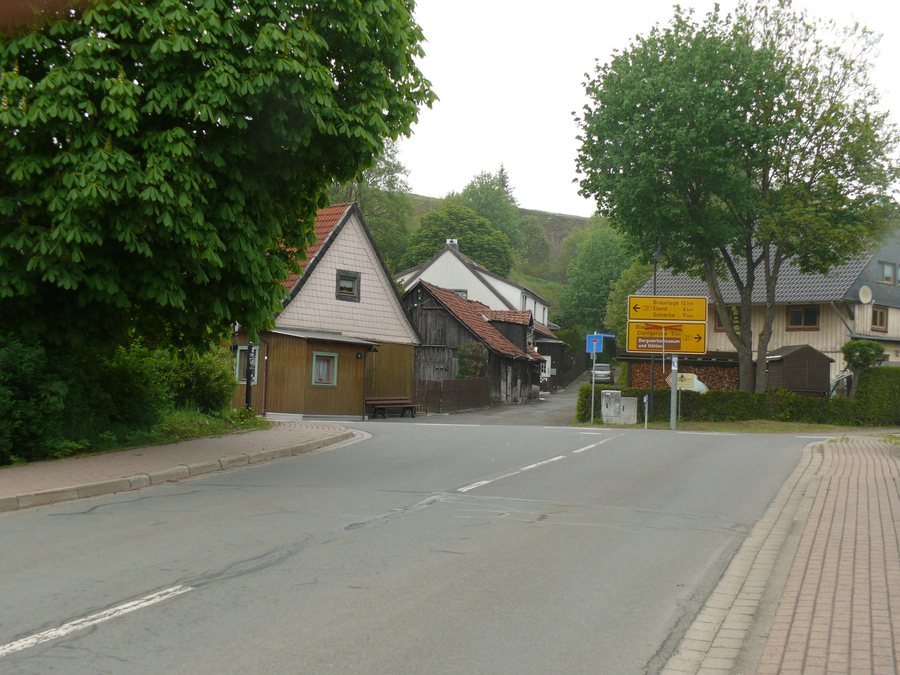
Plan hikes by time and theme
A 2.8-kilometre moderately difficult hike leads through mixed forest to the Krockstein viewpoint; the stated walking time is 55 minutes. A second tour, the moderately difficult circular trail around the Hasselvorsperre near Hasselfelde, is 5.5 kilometres long and is listed as taking 1 hour and 28 minutes. This lets you compare two different time commitments. Check current trail conditions before setting out.
In Hasselfelde, an extensive network of hiking trails includes the Harzer-Hexen-Stieg, nature trails and the Köhlerweg. These trails provide access on foot to local sights and destinations in the surrounding area. The options range from a hike with a stated distance and duration to a network linking different trails and destinations.
The railway can also be part of your day’s plans: from Hasselfelde, you can take the Harz Narrow Gauge Railway daily to the Brocken or into the Selke Valley. Check the current timetable before travelling. The hikes and train connections mentioned offer different ways to spend time outdoors or on the move.
Charcoal making and local history
At the Harzköhlerei Stemberghaus, traditional charcoal-burning mounds are built, fired and harvested from early April to the end of October. During this period, you can experience the traditional craft of charcoal making in action. If this demonstration is important to your trip, plan your stay around this seasonal window. The charcoal-making museum also offers a glimpse into the difficult working and living conditions of charcoal burners.
In Hasselfelde, two other exhibitions focus on different subjects. The Blumenau Museum in the Haus des Gastes presents the life and work of chemist and emigrant Hermann Blumenau in words and pictures. The local history room in the same building tells the story of the town and the lives and work of its residents. Those interested in architectural history can also visit St. Anthony’s Church in Hasselfelde, a three-aisled Gothic basilica.
Special places in Stiege, Neuwerk and Rübeland
Stiege brings together a variety of townscapes: Lake Stiege lies in the middle of the village and is surrounded by green meadows and forests. Stiege Stave Church is the only religious building in Germany in the Norwegian dragon style. The Selke Valley Railway includes a reversing loop in Stiege, described as Europe’s smallest. These three features offer different reasons to explore the landscape, architecture and railway history.
In Neuwerk, the traditional Grasedanz festival centres on the hay harvest. If you would like to attend, check the dates in advance. Another nearby attraction is the RT Suspension Bridge, a few kilometres from Neuwerk. The Rübeland stalactite caves are right in the centre of Rübeland.
The Harz as a wider travel destination
For a broader geographical perspective, the Harz is a destination in its own right: at 1,141 metres, the Brocken is the highest peak in the Harz and lies in the core zone of Harz National Park. From Hasselfelde, the Brocken is also one of the destinations served by the Harz Narrow Gauge Railway.
Use these themes as a guide when comparing accommodation: decide whether hikes, seasonal charcoal making, museums, townscapes or a train journey will shape your plans. The clearly stated trail distances and walking times help you assess the hikes; for the seasonal demonstration, the relevant period is from early April to the end of October.
Discover more destinations: Elend, Königshütte, Sorge, Trautenstein, Rübeland, Stiege, Elbingerode, Hasselfelde, Neuwerk, Benneckenstein.
For the broader travel overview: Harz.

