
Pöhlde: Discover History and Nature
Accommodation in Pöhlde
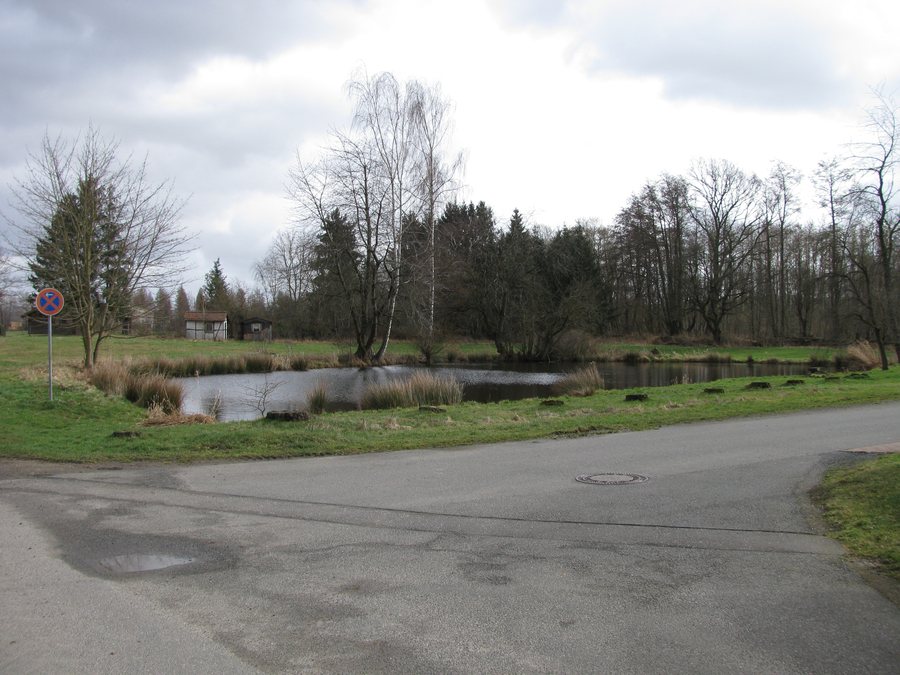 File:Am Rötesumpf, 2, Pöhlde, Herzberg am Harz, Landkreis Göttingen.jpg
Photo: GeorgDerReisende via Wikimedia Commons, CC BY-SA 4.0
File:Am Rötesumpf, 2, Pöhlde, Herzberg am Harz, Landkreis Göttingen.jpg
Photo: GeorgDerReisende via Wikimedia Commons, CC BY-SA 4.0
Pöhlde combines impressive traces of medieval history with distinctive landscapes. When choosing accommodation in Pöhlde, you can plan your stay around the history of the palatinate, historic buildings, a varied circular trail and the Rhume Spring. The village offers different points of interest: culture enthusiasts will find notable evidence of the past right in Pöhlde, while nature enthusiasts can focus on the sinkholes, moorland and wet woodland habitats, as well as the water-rich karst spring.
Historical Traces of the Pöhlde Palatinate
The Pöhlde Palatinate was visited a total of 27 times by German emperors and kings between 922 and 1059. This long history continues to shape the perception of the village today. The foundation walls of the Palatinate Chapel are marked by stone slabs in the lawn. This makes the original layout of the chapel recognisable to visitors, even though the historic walls have not survived completely as a building.
The present-day church also brings together different historical periods. It was built in 1668 on the foundation walls of the nave of the former collegiate church dating from the 13th century, incorporating the medieval choir. The historic character of the village also includes the “King Henry’s Vogelherd” fortification on the Rotenberg. The remains of its ramparts and ditch system are still clearly visible in the terrain; the site was probably an earlier refuge fortress.
Nature Among Sinkholes and Moorland
Around 400 metres southeast of Pöhlde lies the “Finnenbruch, Großes Butterloch und Schwimmende Insel” nature reserve. Its characteristic landscape features include funnel-shaped sinkholes as well as transitional moorland and wet woodland habitats. The area around Pöhlde therefore reveals a natural environment that clearly differs from ordinary woodland and meadow landscapes.
The circular trail leads over the wooded Bornberg into a side valley with the Großes Butterloch nature reserve and other partially marshy sinkholes. It then climbs to the pass at the former Pöhlde brickworks. This pass forms the above-ground watershed between the southern Harz and the Eichsfeld. For planning your stay, this creates a clear distinction between a short visit to historical sites and a longer tour combining woodland, wetland, sinkholes and the watershed.
The Rhume Spring and Its Distinctive Water Flow
Pöhlde is also associated with the Rhume Spring. Located in the vicinity of Pöhlde, the spring is one of the largest and most water-rich karst springs in Europe. Its average discharge is 2,500 litres of water per second and occasionally reaches more than 5,000 litres per second.
Combining Local History, Nature and Stay Planning
The marked foundation walls of the Palatinate Chapel, the present-day church with its medieval choir, the Court Linden Tree and the fortification remains on the Rotenberg represent the local history. The circular trail, the nature reserve and the Rhume Spring complement these themes with landscapes and water. The age of the Court Linden Tree is estimated at 1,000 years, adding another distinctive reference point to the historical orientation within the village.
When choosing accommodation in Pöhlde, these differences can provide practical guidance: you can decide whether your stay should focus primarily on cultural history, nature observation, a circular hike or a combination of these themes. The historical sites and the described landscapes each offer their own approach. This allows you to structure your stay around specific themes without combining the various sights into a single circular tour.
Events During the Carnival Season
Various events during the Carnival season, as well as a large parade on Rose Monday as its highlight, are recorded for Pöhlde. Thus, alongside history and landscapes, local festivities are also among the topics that can be taken into account when planning a stay. Carnival provides a seasonal accent, while the palatinate, church, Court Linden Tree, fortification and nature reserve form the village’s enduring defining features.
For a comparison with other destinations, you can also consider Bad Grund, Riefensbeek-Kamschlacken, Lonau, Herzberg Am Harz, Bad Lauterberg, Badenhausen, Bad Sachsa and Osterode Am Harz.
For the overarching travel overview: Osterode am Harz Region.

