
Burgkunstadt: Old Town and City Walk
Accommodation in Burgkunstadt
In Burgkunstadt, the recommended city walk, the historic old town, and selected cultural and leisure attractions provide clear points of reference. The approximate duration and distance of the walk will help you plan how much time to allow for this part of your stay.
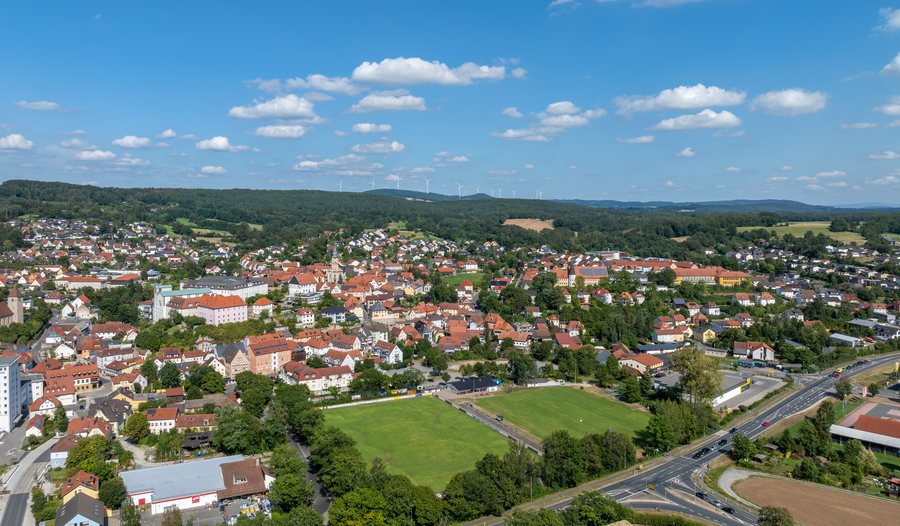
Historic Old Town and City Walk
The Burgkunstadt Old Town ensemble comprises the historic upper town, including the former castle grounds and adjoining areas. It is situated on a spur almost 30 metres above the Obermain valley. The old town described here also includes the lower town on the edge of the river valley. This distinction between the upper and lower towns helps you make sense of the different parts of the historic urban area.
The recommended city walk is approximately 1,800 metres long and takes about 90 minutes. The route leads to the Vogtei and includes visits to the historic room in the town hall, the Shoemaker Museum, and the parish church. It returns to the Plan via the Lend. These approximate figures provide a time frame; it is a good idea to check the town’s walking tour information for the current route.
Town History and Special Places
The recommended walk lists specific stops and a return route. The “Borkuschter Schustebu” offers a different focus: it invites visitors to stroll through the old town and learn fascinating facts about the town’s history. If you are interested in a historic city walk, you can choose between a route with named sights and a stroll focused on local history.
A guided tour of the “Borkuschter Unterwelt” is also described as a special attraction with a specific local connection: Rudi Fetzer and Karl Heinz Goldfuß led visitors through six selected cellars beneath the market square. For the cellar tour described for 2026, sturdy footwear and a flashlight were required; participation was at the visitor’s own risk. If you are considering a future tour, check in advance whether a date is available and what instructions apply.
On the cemetery grounds in Burgkunstadt, a Madonna in a halo of rays adorns the chancel arch of the pilgrimage chapel of the Five Wounds of Christ. Jan-Park Burgkunstadt has a different focus: the town describes it as one of the largest skate parks in Bavaria. Together, these named places offer different ways to explore Burgkunstadt, from religious art to skateboarding.
Lichtenfels as a Separate Regional Context
In the wider travel destination of Lichtenfels, the Basket Market takes place every year on the third weekend in September. Lichtenfels’ old town has retained its typically Franconian character; the Bamberg Gate and Kronach Gate have been preserved, and parts of the old town wall are still visible. These details refer to Lichtenfels and form a separate regional focus.
Basket weaving culture is another theme in Lichtenfels. The 14-kilometre Erlebnisrundweg Pfad der Flechtkultur (Weaving Culture Trail) connects Lichtenfels and Michelau via nature trails through the Main floodplains. Its 23 information panels cover the history and tradition of basket making, the basket industry, and basket trading along the Upper Main. The trail thus offers a clearly defined way to explore the region’s basket-making and weaving traditions.
Near Oberwallenstadt, installations along the trail include a willow maze for children, a willow shell at the river swimming area, and a woven tipi at Ortswiesensee Oberwallenstadt, as well as other woven-art structures. These places and the Basket Market are associated with Lichtenfels. Burgkunstadt’s own city walk and its cultural attractions remain separate destinations.
Discover more destinations: Altenkunstadt, Lichtenfels, Bad Staffelstein, Ebensfeld, Michelau In Oberfranken.
Back to the wider travel overview: Lichtenfels District.

