
Wellendingen: Winter Retreat and Local History
Accommodation in Wellendingen
A stay in Wellendingen can be viewed through two distinct themes: seasonal visits to the TSV ski hut and the town’s historical links to its church and town hall. The winter connection depends on the season and—for weekday visits—on snow conditions; the town’s history dates back to the Middle Ages. If you are looking for accommodation in Wellendingen, you can take these different points of interest into account when planning your trip.
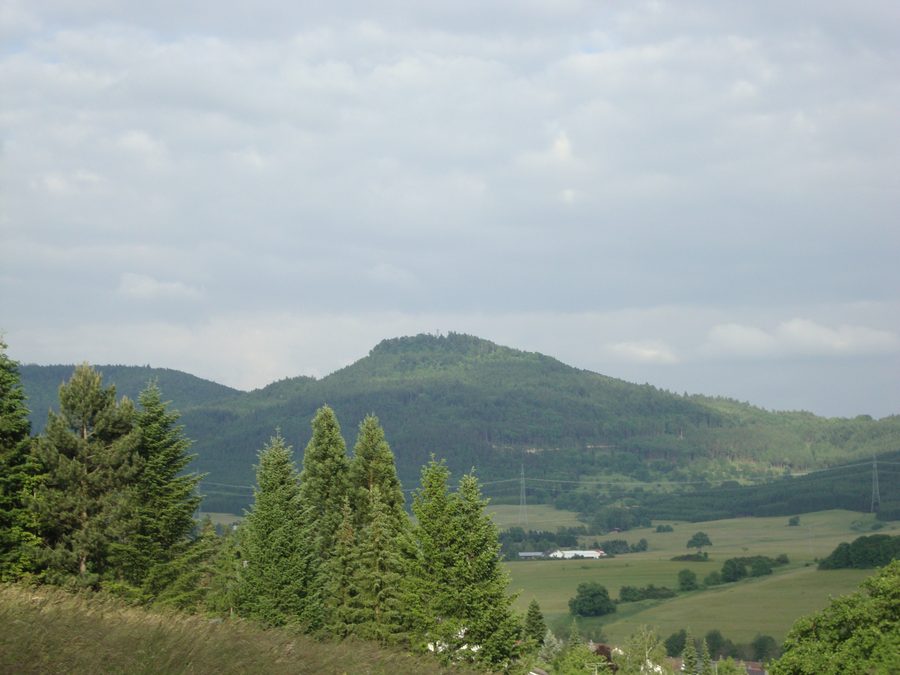 Blick von Wellendingen auf den Lemberg im landschaftlichen Umfeld der Schwäbischen Alb.
Photo: Captainoliver via Wikimedia Commons, Public domain
Winter Visits to the Ski Hut
The TSV Wellendingen ski hut is located behind Altberg. During the winter months, it is intended to welcome visitors on weekends and, when snow conditions allow, on weekdays as well. The conditions for visiting therefore differ depending on the day of the week: snow conditions are explicitly relevant on weekdays. Check the current opening hours before your visit so your plans match the seasonal offering.
The ski hut is a specific winter attraction to consider during your stay. Its seasonal availability and the snow requirement should be considered alongside your travel dates. Weekday visits are not offered regardless of snow conditions; under the seasonal arrangements, this additional condition does not apply on weekends.
The Church and Its Architectural History
Wellendingen’s church is first mentioned in 1441. Historically, it was a branch church of the St. Pelagius parish in Rottweil’s old town. A church in Wellendingen dedicated to Saint Ulrich, Bishop of Augsburg, is first documented in 1469. These dates refer to different historical records: the first mention of the church and the first record of its dedication to Ulrich.
The originally Gothic church, dedicated to Saint Ulrich and located in the town center, was extended eastward in 1863–1864 with a transept and a new rectangular choir. A transept is the part of a church that crosses the nave; the choir is a distinct part of the church building. The architectural history thus reveals a specific change: a transept and a new choir were added to the originally Gothic church in the 19th century. The town’s history therefore includes both early written records and a dated structural alteration.
The Town Hall Building Through History
The town hall building in Wellendingen was first documented in 1258 as the manor house of the local nobility at the time. A fire destroyed it in 1540, and it was rebuilt in 1543. This sequence records three distinct events: its early documentation as a manor house, its destruction by fire, and its reconstruction. Unlike the dates relating to the church, these later dates refer specifically to the history of the town hall building.
Culture in the Wider Rottweil Destination
The wider Rottweil destination offers further cultural and historical attractions. The Lower Bohrhaus Saltworks Museum documents the production of boiled salt in original buildings, with original equipment, a waterwheel, and two brine pumps. It also explains the history and significance of the former Royal Wilhelmshall Saltworks, described as Rottweil’s oldest industrial enterprise. Its industrial history thus complements Wellendingen’s church and town hall heritage.
At the Dominican Museum, the “Roman Rottweil – Arae Flaviae” exhibition takes visitors through a day in Roman Rottweil on August 4, 186 AD: from the forum in the morning to public and private engagements and an evening feast. Reconstructions and interactive areas supplement the exhibition. Visitors of all ages can also try on a Roman wool tunic and a chainmail shirt, handle a Roman soldier’s helmet or shield, and try out the saddle of a Roman rider. Before visiting, check whether these hands-on activities are currently available.
For the wider travel overview: Rottweil.
Compare hotels and holiday rentals in Wellendingen by price and availability for your travel dates.
Advertisement · We may receive a commission if you book.
