
Stara Zagora Province between the Balkans, roses and antiquity
Accommodation in Stara Zagora Province
Stara Zagora Province connects the southern slopes of the Balkan Mountains with the forested Kazanlak Basin, Sarnena Gora and the Stara Zagora Plain. The area has a temperate climate, a variety of fertile soils, comparatively good water resources and accessible terrain. Forests cover 32.4 percent of the region; they are associated with opportunities for tourism, hunting and fishing.
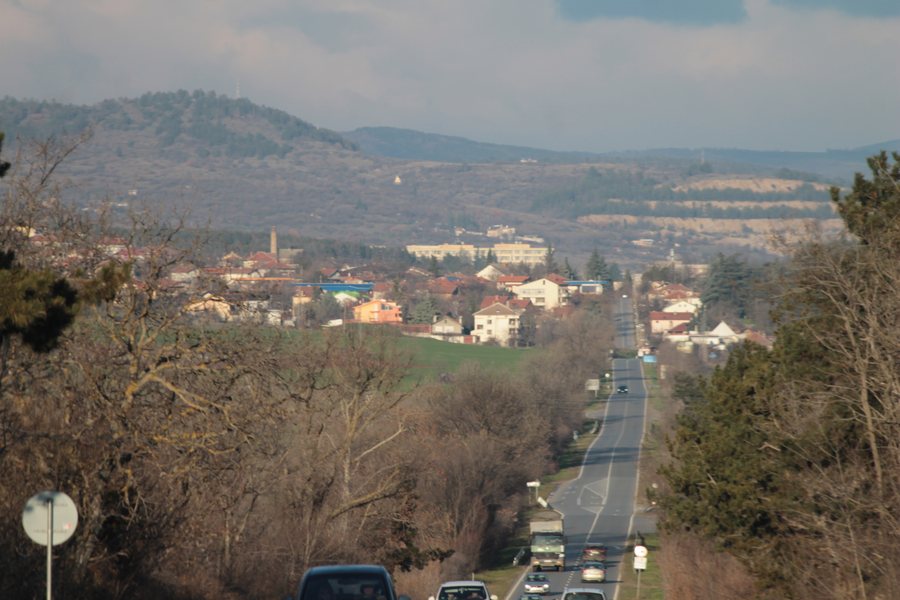
Geographical setting
The wider regional surroundings of Stara Zagora Province include the named and mapped mountains of Kitka and Dimitrov. Near Kolena, there is an interesting rock formation as well as a nesting site of the golden eagle. Near Kazanka, beside a road and a river about 2 km before the village, there is another interesting rock formation with an information board. Above the quarry near Zmeyovo, there is a cave system.
Stara Zagora Province is regarded as a meeting point of three European transport corridors: one connects the Adriatic with the Black Sea, one connects Finland with Greece, and one connects Germany with Turkey. The different landscapes and the natural sites described here provide several clearly distinguishable themes for planning and comparing a stay.
Culture and history
The Museum of Neolithic Dwellings in Stara Zagora preserves on site one of the best-preserved two-storey houses from the Early Neolithic period in Europe. The permanent exhibition displays pottery, figurines, jewellery, tools and human figures made of marble. Another museum exhibition in Stara Zagora traces the city’s history from the Early Neolithic period through antiquity, the Middle Ages and the National Revival period to post-war reconstruction.
The Museum of Religions presents remains from several periods: a cult pit from the Early Iron Age, a sanctuary of the Thracian horseman, a medieval Christian cemetery church and a Muslim temple. The Forum of Augusta Traiana comprises the western gate, two construction phases of the fortification walls, a stone square with an amphitheatre and Roman baths with hypocaust heating. Performances and concerts take place in the forum; you can also walk along an authentic ancient street there.
The Thracian Tomb of Kazanlak dates from the Hellenistic period and contains wall paintings depicting Thracian burial rituals and culture. The UNESCO-listed tomb is considered, with its paintings, Bulgaria’s best-preserved artistic masterpiece from the Hellenistic period. The Iskra Historical Museum in Kazanlak houses almost 100,000 original artefacts relating to the material and spiritual culture of the Kazanlak area.
Around 1,500 Thracian burial mounds have been registered in the Kazanlak Valley. Around 150 of them have been excavated, and approximately 15 well-preserved underground tomb temples have been identified. The region’s cultural heritage therefore ranges from individual archaeological structures to extensive documented burial landscapes.
Nature
The Rose Museum has more than 15,000 exhibits relating to rose harvesting and rose production in Bulgaria. It is the only museum in the world dedicated to the oil-bearing rose. The museum shop offers, among other things, rose jam, rose liqueur and aromatic oils as rose-related products.
The Rose Festival programme includes rose harvesting and distillation rituals, a parade and an international folklore festival. The cultural route Rose Valley and Thracian Kings connects rose gardens and rose-oil production with Thracian cultural heritage and archaeological sites.
Leisure and enjoyment
Pavel Banya lies between the Balkan Mountains and Sredna Gora, near the Koprinka Reservoir and the Tundzha River. It offers balneotherapy, rural tourism, cultural heritage tourism, ecotourism and aromatherapy tourism. The mineral water of Pavel Banya is 61°C and contains fluoride, bicarbonate and sodium ions as well as colloidal metasilicic acid, radon and hydrogen sulfide. The thermal deposit at Pavel Banya is the westernmost of three similar thermal deposits in the Kazanlak Basin.
Yagoda lies at the foot of Sarnena Gora and has numerous hot therapeutic mineral springs suitable for treatment or relaxation. At Midalidare Estate in the Thracian Valley, within the Chirpan Municipality in Stara Zagora Province, wine tasting with a winery visit is possible.
Getting around
Three major Bulgarian railway lines intersect in Stara Zagora. They serve connections from Sofia towards Burgas and Varna, as well as from Ruse to the borders with Greece and Turkey. The Stara Zagora Tourist Information Centre provides information about museums, natural landmarks, cultural institutions, accommodation, gastronomy and entertainment, as well as transport to, from and within the city.
Within the municipality of Stara Zagora, the low-lying mountainous terrain and an extensive road network support hiking and cycling routes of varying duration and difficulty throughout the year. The range of durations and exertion levels helps you compare the routes described according to the desired scope of a tour.
Further destinations
Shipka, Smolyan Province, Sofia Province / Sofia, Blagoevgrad Province
To the overarching travel overview: Bulgaria.

_2025_-_01.jpg)