
Ski Instructors on a Winter Holiday
Ski instructors teach technique, demonstrate safe movement patterns, and choose terrain, pace, and exercises suited to the group. Their lessons are not just for beginners. Returning skiers and advanced skiers can also benefit from correcting mistakes or working toward new goals in a controlled way. The quality of instruction depends greatly on appropriate placement and open communication.
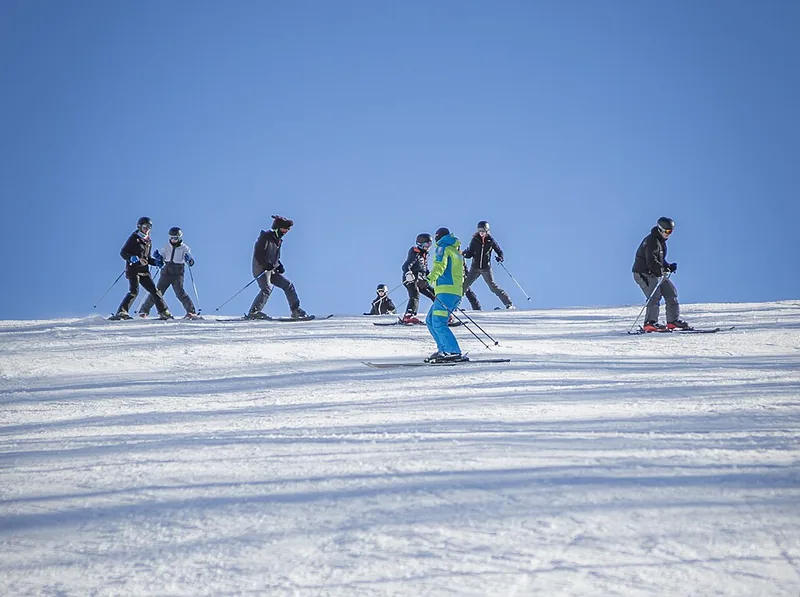 Skilehrer gibt einer Gruppe auf einer verschneiten Piste Anweisungen.
Photo: Jilloau
Skilehrer gibt einer Gruppe auf einer verschneiten Piste Anweisungen.
Photo: Jilloau
What instructors do
Ski instructors observe posture, stopping distance, turns, and how skiers handle the terrain. They explain an exercise, have participants try it, and give clear feedback. They take age, experience, fitness, and how participants are feeling that day into account. A good learning goal is specific and achievable in small steps.
The training information from Snowsport Austria shows that snow sports instruction requires professional training and appropriate practical experience. The specific qualifications, course level, and group size should be checked with the ski school concerned.
Choosing the right lesson
Group lessons suit people with a similar skill level and encourage shared experiences. Private lessons can be tailored more closely to individual questions and a particular pace. For children, language, age, breaks, and a reliable handover are especially important.
When booking, be honest about whether someone has never skied before, is returning after a long break, or already skis confidently on certain runs. Incorrect placement can lead to frustration or boredom and make planning more difficult for the instructor.
Staying safe together
Make sure you understand instructions before setting off, and ask if anything is unclear. The group stays together, meets at agreed meeting points, and adjusts its pace to the slowest person. No one has to continue down a run if they feel unsafe.
Ski instructors know the terrain, but cannot control the weather or snow conditions. The lesson will be adjusted in strong winds, poor visibility, or if a run is closed. Participants should mention pain, exhaustion, or health concerns before these become a risk.
Equipment and clothing
Ski boots should fit securely without unnecessarily restricting movement. Skis and bindings should be adjusted by a qualified professional. A helmet, goggles, gloves, and several layers of clothing help with protection and concentration. You should be able to change wet gloves.
Practical points to check before your lesson are covered under Ski equipment and clothing. Before the lesson begins, tell the instructor if any equipment is rented or causes discomfort. This helps you get started without avoidable problems.
Fitting lessons into your holiday
A lesson on the first day can help you get oriented, but allow time for travel, registration, and equipment rental. After intensive sessions, breaks and rest are a good idea. If you book several days, discuss your learning goals with the ski school and avoid ending every session with a challenging run.
An agreed meeting point for families and an available contact person help prevent misunderstandings. Check availability, prices, language, lesson times, and cancellation terms directly with the provider. For general trip planning, see Planning a ski holiday.
Prepare well and stay flexible
Before your lesson, check that it suits your experience, fitness, and group. Include age, meeting point, duration, required equipment, breaks, and the return route in your plans. Opening hours, prices, and availability can vary by season and should be confirmed with the provider.
The weather also affects the day. Cold, wind, visibility, and wet clothing can all affect concentration and exertion. A warm layer to change into, drinks, and a charged phone are simple but useful preparations. If you are with children, plan shorter sessions, accessible breaks, and a reliable adult contact person.
Think of the activity as part of your overall winter holiday. The advice in Planning a ski holiday can help with routes, time buffers, and combining lessons with a day of skiing. Snow conditions, school holidays, and the resort's seasonal opening dates are also important when choosing when to travel. A flexible plan is better than a packed schedule with no room for delays.
When choosing accommodation, short distances, a dry place to store equipment, and good access to the town center may be important. If you combine several sports, plan rest days and make sure boots, gloves, and clothing can dry overnight. This leaves room for spontaneous changes without compromising safety or well-being.
Respect for staff, other guests, and local rules is part of every winter sports activity. A briefing is not a formality: it explains movement areas, signals, equipment, and the limits of the activity. Ask questions before setting off. If you experience pain, dizziness, feel overwhelmed, or encounter unsafe conditions, end the session and inform the responsible staff.
Frequently asked questions
What does a ski instructor do?
They teach technique, observe movements, choose suitable exercises, and take the terrain, weather, ability, and fitness of the group into account.
How do I find the right course?
Compare skill level, age, language, group size, meeting point, duration, and learning goals. Be honest about your experience.
Can lessons be useful for advanced skiers?
Yes. You can refine your technique, correct mistakes, and gradually explore new types of terrain.
