
Becoming a Ski Instructor: Training and Workplaces
Anyone who wants to become a ski instructor combines athletic ability with teaching skills, a sense of responsibility, and a love of working with people. Strong skiing skills are only the foundation. Training, exams, areas of work, and job titles vary by country and association. Interested candidates should therefore check the requirements with the relevant professional association or training provider.
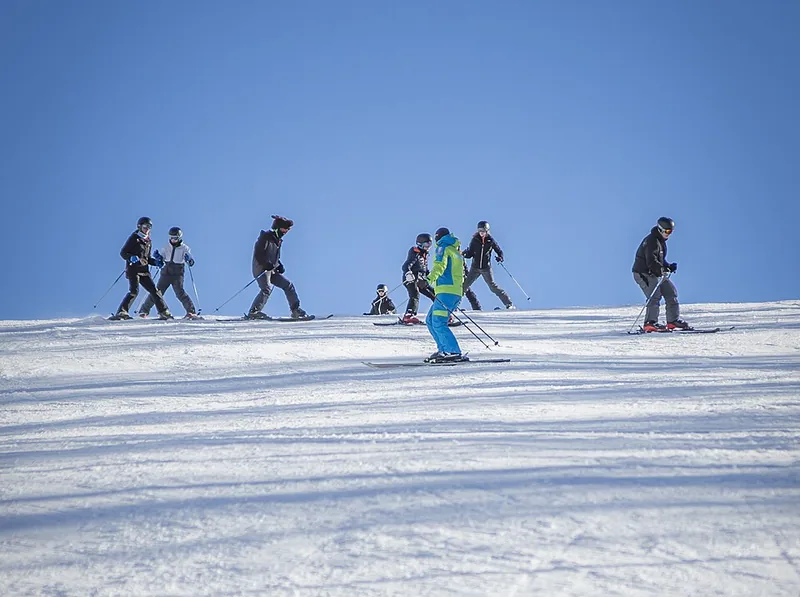 Skilehrer gibt einer Gruppe auf einer verschneiten Piste Anweisungen.
Photo: Jilloau
Skilehrer gibt einer Gruppe auf einer verschneiten Piste Anweisungen.
Photo: Jilloau
What skills matter?
A ski instructor must be able to explain movements clearly, spot mistakes, and lead a group safely. The job also calls for patience, clear communication, stamina, and sound judgment when assessing weather and terrain. Your own ability must match the level of instruction you plan to give.
The Tyrolean Ski Instructors’ Association provides information about ski instruction and training in Tyrol. This information does not automatically apply in other countries. Recognition of qualifications and work opportunities need to be checked on a case-by-case basis.
Training and exams
Depending on the system, training may include theory, technique, teaching methods, and practical experience. Topics can include first aid, lesson planning, safety rules, and choosing suitable terrain. Exams assess whether candidates can demonstrate the required knowledge and skills under the specified conditions.
A certificate is not automatically valid everywhere. Anyone hoping to work internationally should check recognition requirements, language, insurance, residence permits, and ski school regulations. The relevant association and employer are the best sources of reliable information.
Preparing a lesson
Before each lesson, take the group’s age, ability, learning goals, and any health information into account. Beginners need different exercises from confident skiers. The instructor plans the meeting point, terrain, breaks, and possible alternatives, and explains the key rules before setting off.
Weather, visibility, snow conditions, and fatigue may mean plans need to change. Lessons should be adjusted accordingly. Safety also means stopping an exercise before the group becomes overwhelmed.
Working at a ski school and in the resort
Ski instructors often work at ski schools, clubs, sports programs, or seasonal activity providers. Their location and duties can change from day to day. Children’s classes, private lessons, and advanced training each call for different communication and planning.
The work is physically demanding and weather-dependent. Starting early, maintaining equipment, and staying alert for many hours are all part of the job. Good coordination with lift staff, management, and parents is especially important when working with children.
Planning realistically for a career
Before applying, interested candidates should compare training start dates, costs, duration, exam locations, season dates, and employment arrangements. Accommodation and travel are also important for seasonal jobs. For more information about the profession, see Ski Instructor on a Winter Holiday.
A trial day or a conversation with the ski school can help clarify expectations. Enjoying skiing does not automatically mean you will enjoy teaching it. In day-to-day interactions, a love of explaining things, patience, and a sense of responsibility often matter more than showing off your athletic ability.
Frequently asked questions
Do you need to be an especially fast skier?
Strong skiing skills are important, but technique, communication, teaching ability, and a sense of responsibility matter too.
Is the training the same everywhere?
No. The content, levels, recognition, and job titles vary by country, association, and area of work.
Where do ski instructors work?
For example, at ski schools, clubs, and seasonal sports programs. The specific role depends on qualifications and the employer.
