
Ski lifts on a winter holiday
Ski lifts transport winter sports enthusiasts from the valley or lower-lying areas to the slopes. Depending on the area, drag lifts, chairlifts, gondolas or conveyor belts are used. For a relaxed day on the slopes, it is important to understand the type of lift, follow staff instructions and use your equipment safely.
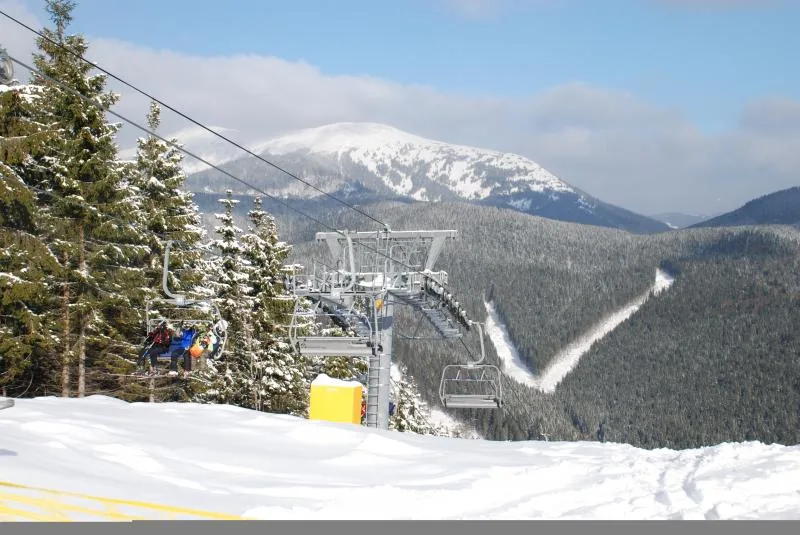 Zwei Skifahrer sitzen in einem Sessellift über einem verschneiten Wald und Berggebiet.
Photo: Olga Buko
Zwei Skifahrer sitzen in einem Sessellift über einem verschneiten Wald und Berggebiet.
Photo: Olga Buko
What types of lifts are there?
A drag lift pulls skiers uphill while they remain standing, whereas a conveyor belt makes it easier to get started in a flat practice area. Chairlifts carry guests on seats; gondolas and cable cars enclose the passenger area more fully. Lifts differ in how passengers board and disembark, as well as in their carriage rules.
The German Cable Car Association provides information about the industry. For your actual ride, the signs, carriage conditions and operator’s instructions are what matter.
Before boarding
Before joining the queue, gather your ski poles and secure any loose straps. Children should ride only on equipment that is the right size and under the agreed supervision. On chairlifts and gondolas, move doors and safety bars only when instructed.
If you are unsure, ask staff how to board correctly. Pushing puts other guests at risk. Leave enough space in the queue. On busy days, it may make sense to take a break outside the busiest periods.
During the ride
On a drag lift, keep your body steady and stay on the track unless there is a reason to leave it. On a chairlift, sit fully on the seat and keep the safety bar closed. Store skis in gondolas according to local instructions, and keep the doors closed.
If a lift breaks down, stay seated and wait for clear instructions. Getting off on your own can be dangerous. Before the ride, explain the safety bar, expected behavior and meeting point after getting off to children. Tell staff immediately if you feel frightened.
Getting off safely
Prepare to get off in good time. Release the drag device or safety bar only at the marked point and in accordance with local instructions. Then leave the area promptly and in a controlled manner. Do not stop in the dismount area. If you fall, clear the area as quickly as possible, provided you can do so without putting yourself in further danger. Begin skiing only once you are outside the dismount area. Beginners should start with a lift serving straightforward terrain.
Build lift use into your day
Wait times, service interruptions, wind and visibility can change your plans for the day. An area with several lifts often offers alternatives, but the current status is what matters. For general preparation tips, see Planning a ski holiday. Don’t leave your return to your accommodation until the last ride. If you are tired, take an earlier connection or end your day on the slopes.
Frequently asked questions
Which type of lift is easy for beginners?
A conveyor belt and straightforward lifts are often considered easier. Your own ability and guidance from staff are key.
What should I do if a lift breaks down?
Stay calm and follow staff instructions. Do not get off or open the safety bar on your own.
Can I wait in the dismount area?
No. Leave the dismount area promptly and in a controlled manner so you do not endanger the guests behind you.
