
The Winter Olympic Games and memorable winter sports moments
The Winter Olympic Games have helped make winter sports visible around the world. They bring together athletic competition, technological development, and the history of federations and disciplines. For travelers, they are not a measure of how challenging an ordinary day of skiing needs to be. They do, however, show why terms such as alpine skiing, cross-country skiing, ski jumping, and other snow sports are perceived differently around the world.
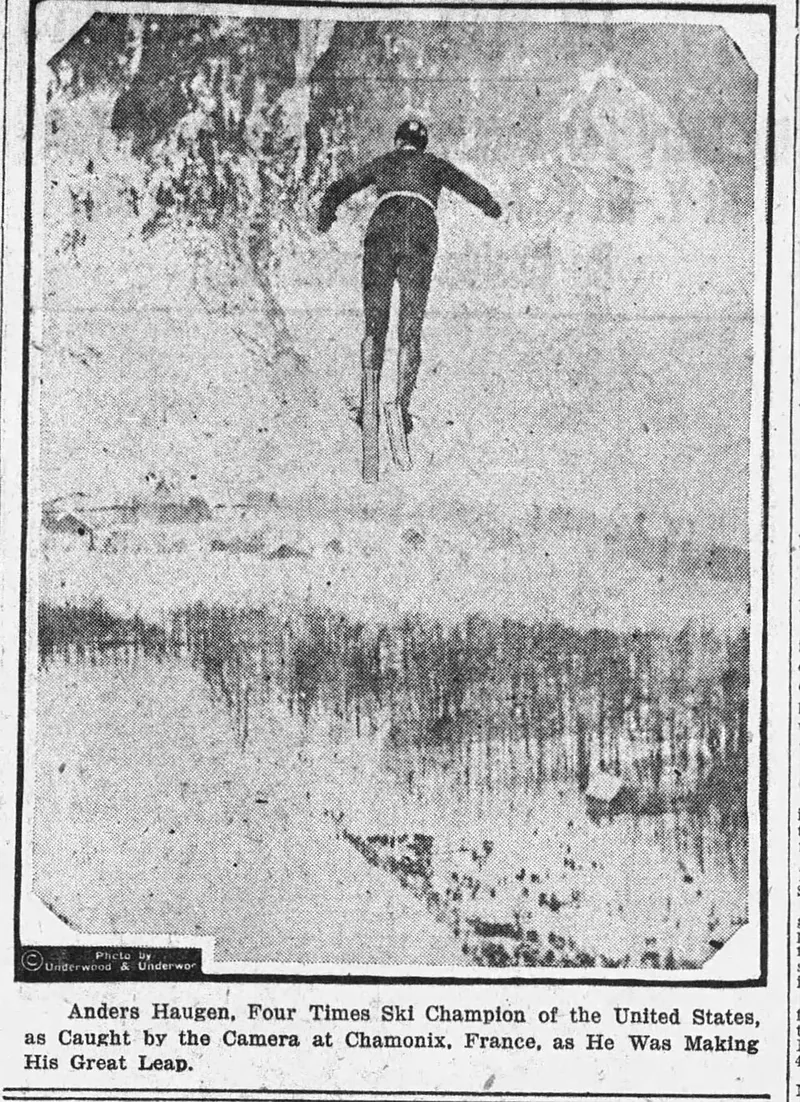 Historische Aufnahme eines Skispringers bei den Olympischen Winterspielen 1924.
Photo: Underwood & Underwood
Quick facts about the Winter Olympic Games
- International competitions need shared rules, categories, and reliable organization.
- Disciplines evolve as technology, equipment, and safety standards change.
- Alpine skiing and cross-country skiing place different demands on terrain and equipment.
- Olympic performances are elite sport and cannot be directly compared with holiday experiences.
- The history of winter sports is easier to understand when federation and event sources are considered separately.
From organized winter sports to a major event
Sports federations establish common rules, competition formats, and international calendars. The history of the FIS describes the development of an international organization for skiing and snow sports. A federation’s account is an important perspective, but it is not a complete history of all the Olympic Games. For accurate venues, programs, and results, the official Olympic archives are also authoritative sources.
International organization makes comparisons easier: downhill events are judged according to established criteria, cross-country races follow a different logic, and ski jumping and freestyle events each have their own requirements. For visitors, this distinction helps put holiday activities into perspective. A ski resort may offer several sports, but it cannot practically recreate every Olympic discipline.
Alpine, Nordic, and other disciplines
In alpine skiing, downhill courses run across sloping terrain. Turns, edge control, speed, and line choice play a central role. Cross-country skiing, by contrast, uses groomed trails and a gliding forward motion, with endurance and rhythm being essential. Ski jumping, biathlon, snowboarding, and freestyle each involve their own techniques and forms of training. Each discipline has its own rules, equipment, and training goals, which should not be confused with one another.
Visitors on holiday do not need to aim for competition-level performance. Beginners should start on suitable practice areas, choose clear instruction, and plan breaks. The page Understanding ski resorts helps you assess slopes, lifts, and services according to your needs. If you want to try cross-country skiing, check current trail conditions, the difficulty level, and options for getting back.
Technology, rules, and safety
Elite sport drives changes in equipment and training methods, but new gear does not automatically make anyone safer. On holiday, the right size, fit, clothing, visibility, and experience matter. Slope rules are important, too. When switching between sports, reassess the movement involved and the surface you will be using.
Major events require precise organization, rescue planning, and safety protocols. At an ordinary ski resort, follow the local operator’s guidance. Weather, snow, and operations can change at short notice. Snow conditions at ski resorts explain why the surface does not behave the same way every day.
Putting winter sports moments into perspective
Olympic images make a lasting impression, but they usually show extraordinary performances. A holiday can be slower and more personal: a first controlled descent, a trail through the forest, or a view of a competition venue can be just as rewarding. The important thing is to choose goals that match your ability, fitness, and conditions—not the pace of professional athletes.
If you are interested in history, you can also visit museums, sporting venues, or regional exhibitions when planning your trip. These visits complement an active day and are especially worthwhile when the weather or snow conditions make taking a break from the slopes a good idea.
FAQ: The Winter Olympic Games and winter sports
What role does the FIS play? It organizes and develops international skiing and snow sport disciplines. Its own history is an important source on Olympic history, but it is not the only source or a complete account.
Is alpine skiing the same as cross-country skiing? No. The terrain, movement, equipment, and athletic demands differ significantly.
Can I try Olympic disciplines on holiday? You can try some of the basics, such as alpine skiing, cross-country skiing, or snowboarding. What is available depends on the resort and your experience.
Do I need to be especially fit to take part in winter sports? Not to get started in every sport. Choosing a suitable route, getting instruction, setting realistic goals, and taking breaks matter more than comparing yourself with professionals.
What can I take away from the history of sport? Shared rules and technological development make comparisons possible; on holiday, safety and your own ability remain what matters most.
