
How ski technology and equipment have evolved
Skis, bindings, boots, helmets and clothing have changed over the decades. New shapes and materials offer different performance characteristics, but modern equipment is not automatically right for everyone or every slope. The key factors remain height, ability, intended use, maintenance and proper fitting.
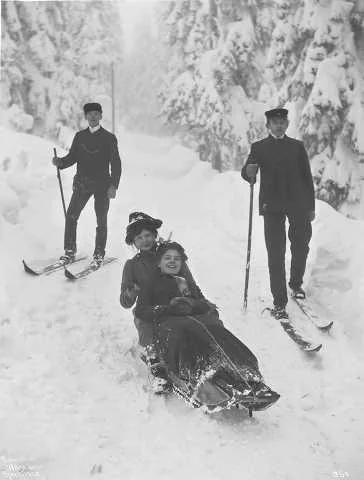 Historische Aufnahme von Skifahrern und Rodlern in Frognerbakken aus dem Jahr 1903.
Photo: Anders Beer Wilse
From long skis to equipment for the right purpose
Earlier skis were often longer and less specialized for particular styles of skiing. Today, there are models for groomed slopes, changing snow conditions, touring, the park and different body types and riding profiles. This wider range of options makes expert advice more important.
The FIS information on alpine skiing provides an overview of the sport, but is not a comprehensive buying guide. For visitors, intended use, slope choice and fitting by a specialist are what matter.
Bindings and boots
Boots transfer movement to the skis and should fit snugly without causing pain. Bindings are adjusted according to the skier, boots, skis and intended use. Making adjustments yourself without the necessary expertise can affect release and, in turn, safety.
Rental equipment is documented and checked when adjusted. Report pressure points, numbness or a loose fit immediately. Poles, buckles and edges should also be checked. Well-maintained equipment supports good technique, but cannot replace practice.
Protective gear and visibility
Helmets and ski goggles are essential for many people on a day on the slopes. Goggles should suit the visibility and weather conditions, and the helmet must be compatible and undamaged. A back protector or other protective gear may be useful depending on your skiing style and terrain.
Wearing several layers makes it easier to adapt to temperature and exertion. Wet gloves reduce feel and mobility. For advice on choosing equipment and preparing for your holiday, see Ski equipment and clothing.
Technology changes the way we ski
Carving skis can make turning on groomed slopes easier, but still require proper posture and control. A product name or technical feature means little if the length, stiffness and intended use are not right. Beginners will not learn faster just because their equipment is modern.
Your technique should be suited to the terrain and your speed. When trying new equipment, start on an easy slope and get used to how it responds and grips the snow. Check children’s equipment size regularly as their bodies and abilities change.
Choose sustainably and sensibly
Durable, repairable equipment that fits well can help avoid unnecessary purchases. Renting is practical for occasional days on the slopes; buying is more worthwhile if you ski regularly and know your needs. Care, dry storage and timely servicing extend the life of your equipment.
Before travelling, allow time for rental shop opening hours, reservations and fitting. The history of skiing equipment is interesting, but for your next day on the slopes, current conditions and equipment you can handle are what count.
Prepare well and stay flexible
Before booking, travellers should check that the activity suits their experience, fitness and group. Plan for age, meeting point, duration, required equipment, breaks and the return journey. Opening hours, prices and availability may vary by season and should be confirmed with the provider.
Weather also affects the day. Cold, wind, visibility and wet clothing all influence concentration and exertion. An extra warm layer, drinks and a charged phone are simple but useful precautions. When travelling with children, plan shorter sessions, accessible breaks and a reliable adult contact person.
Consider the activity as part of your winter holiday as a whole. The advice in Planning a ski holiday can help with routes, time buffers and combining activities with a day on the slopes. Snow conditions, school holidays and the resort’s seasonal opening dates are also important when choosing when to travel. A flexible plan is better than a packed schedule with no room to spare.
When choosing accommodation, short travel times, a dry place to store equipment and good access to the resort centre can make all the difference. If you are combining several sports, allow for rest days and make sure boots, gloves and clothing can dry overnight. This leaves room for spontaneous changes without compromising safety or comfort.
Respect for staff, other guests and local rules is part of every winter sports activity. An introduction is not just a formality: it explains where to move, signals, equipment and the limits of the activity. Ask any questions before you start. If you experience pain, dizziness, feel overwhelmed or conditions seem unsafe, stop the session and inform the staff in charge.
Frequently asked questions
Is modern equipment automatically better?
No. It needs to suit your body, ability, intended use and the slope. Expert advice and correct adjustment are essential.
What is checked on rental equipment?
Boots, bindings, skis, size and condition. Report any discomfort or loose fit to the rental shop immediately.
Should I buy or rent?
Renting is often more flexible for occasional days on the slopes. Regular skiers can buy equipment if they know their needs and the right fit with confidence.
