
Vermont – Winter Offers, Nature and Culture
Accommodation in Vermont
Vermont combines winter activities with expansive nature experiences, regional culture and maple traditions. If you are looking for accommodation for a ski holiday, you can first decide whether skiing or snowboarding should be the main focus, or whether you would like to combine the trip with snowshoeing, ice skating, trails through forests and cultural destinations. When choosing your accommodation, you should then separately check the location relative to the activities you want and the current conditions.
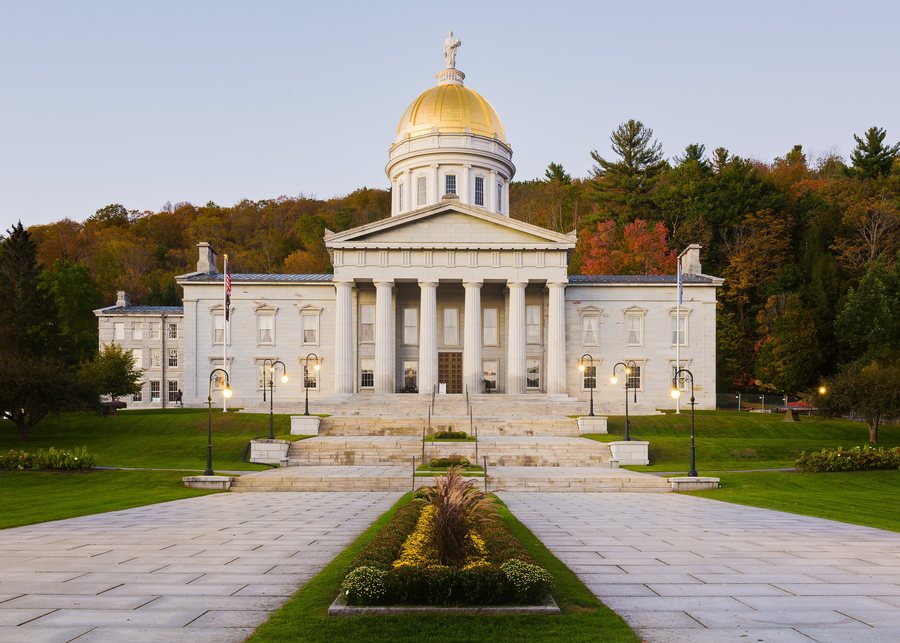 File:Vermont State House Montpelier October 2021 HDR.jpg
Photo: King of Hearts via Wikimedia Commons, CC BY-SA 4.0
File:Vermont State House Montpelier October 2021 HDR.jpg
Photo: King of Hearts via Wikimedia Commons, CC BY-SA 4.0
Combining Winter Offers and Landscapes Consciously
Vermont’s winter offerings include skiing, snowboarding, snowshoeing and ice skating. This selection allows you to tailor the focus of your trip to your interests and group composition without committing to just one winter sport. For a trip involving different preferences, it may be useful to include documented alternatives in your plans alongside winter sports.
The landscape offers a range of possibilities. Vermont has hiking trails ranging from challenging mountain climbs to trails through lush forests described as accessible. Mount Tom Forest is considered the oldest continuously managed scientific forest in the United States. Groton State Forest encompasses more than 17 miles of hiking trails. Vermont’s lakes and winding rivers are suitable for canoeing and kayaking; swimming is also possible in lakes, ponds and natural swimming areas.
Trails, Rail Trails and Water Experiences
Vermont’s rail trails offer scenic and accessible routes connecting downtowns and regions. Ricker Pond State Park borders the Montpelier-Wells Rail Trail, which is also known as the Cross Vermont Trail. The park has a designated swimming area and a small sandy beach. This allows you to consider trail-based and water experiences as separate focuses when planning your trip.
Cyclists and mountain bikers can also find scenic routes through Vermont’s landscape, including options for users of adapted equipment. Those who prefer to travel by car can include scenic driving routes. Vermont’s Scenic Byways include 10 federally designated Scenic Byways.
Culture, Bridges and Regional Specialties
The Shelburne Museum presents art and Americana collections spanning four centuries. Billings Farm & Museum combines a fully operating Jersey dairy farm with educational exhibits as well as interactive programs and events. For a trip focused on history and everyday culture, the two destinations offer different thematic approaches.
Notable structures include the Pulp Mill Covered Bridge, considered Vermont’s oldest covered bridge, and the Fisher Covered Bridge. The latter was the last covered railroad bridge to remain in operation in Vermont and is part of the Lamoille Valley Rail Trail.
The Maple Meander connects sugarhouses, tastings of maple products at local restaurants, maple-inspired cocktails and shops. The Maple Meander Passport offers experiences centered on Vermont’s maple products throughout the year. This means that even on a winter trip, you can plan regional specialties without focusing your stay exclusively on slopes and winter sports.
Choose Accommodation Based on Your Travel Plans
If you choose Vermont for a ski holiday, your accommodation search should match your actual focus. Those who mainly want to ski or snowboard can use their preferred winter sports setting as the first search criterion. For a trip combining nature, cultural or culinary interests, it is worth considering the respective destinations and routes separately rather than assuming a shared location or short connection.
For further regional orientation, you can open Windham County, Bennington County, Rutland County, Washington, Lamoille, Windsor County and Orleans County. As another point of comparison, you can open Virginia.
For the overarching travel overview: USA.

