
Cadenazzo: Hotels and Accommodation
Accommodation in Cadenazzo
The historic settlement of Cadenazzo developed along the alluvial fans of the Pianturina, Robasacco and Ruscadella streams.
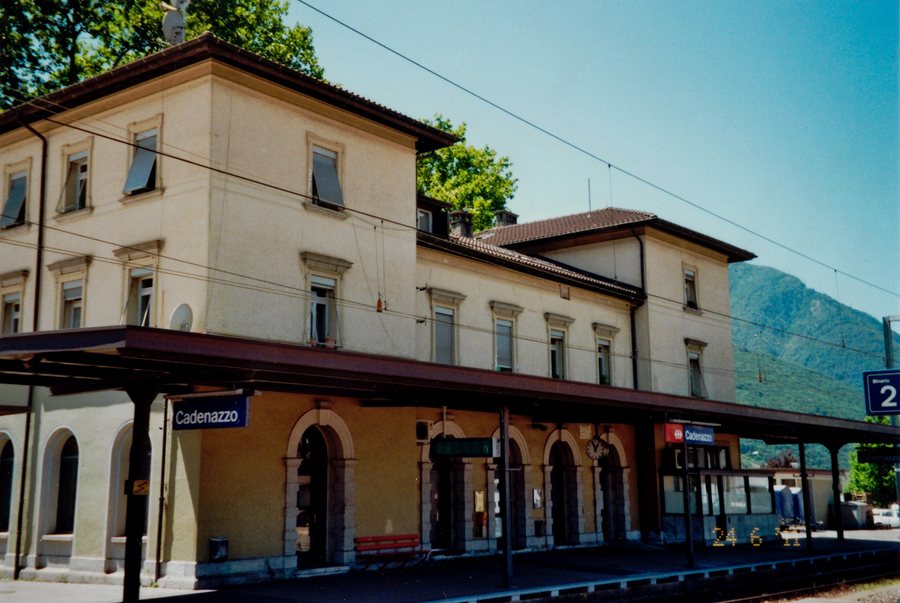
When planning your trip to Cadenazzo, you can look for a suitable hotel.
Culture
In 1830, Cadenazzo became an independent parish. Historically, the inhabitants were responsible for caring for the Church of S. Pietro di Cadenazzo. There was also once a castle in Cadenazzo, which was reportedly destroyed during the Italian Wars.
Cadenazzo’s historic economy included livestock farming, the cultivation of rye, maize, potatoes, walnuts and vines, as well as sheep farming and silkworm breeding.
Geographical Setting
Historically, the Ticino flowed freely through the plain near Cadenazzo; before it was canalised, this plain was prone to flooding. Cadenazzo was also located on a transit route towards the lakeside centres of Lugano and Magadino, where goods arrived in earlier times.
Surroundings
The surrounding area of Cadenazzo includes Castello Sasso Corbaro, the Bellinzona monastery, Falconeria Locarno and Mugia. Poncione del Macello, Cima di Morisciolo and Madone are also located in the surrounding area. Santi Pietro e Paolo lies in the wider regional area around Cadenazzo.
For the higher-level travel overview: Bellinzona.

