
Brienz/Brinzauls – Cultural Trail, Belfort and St. Calixtus
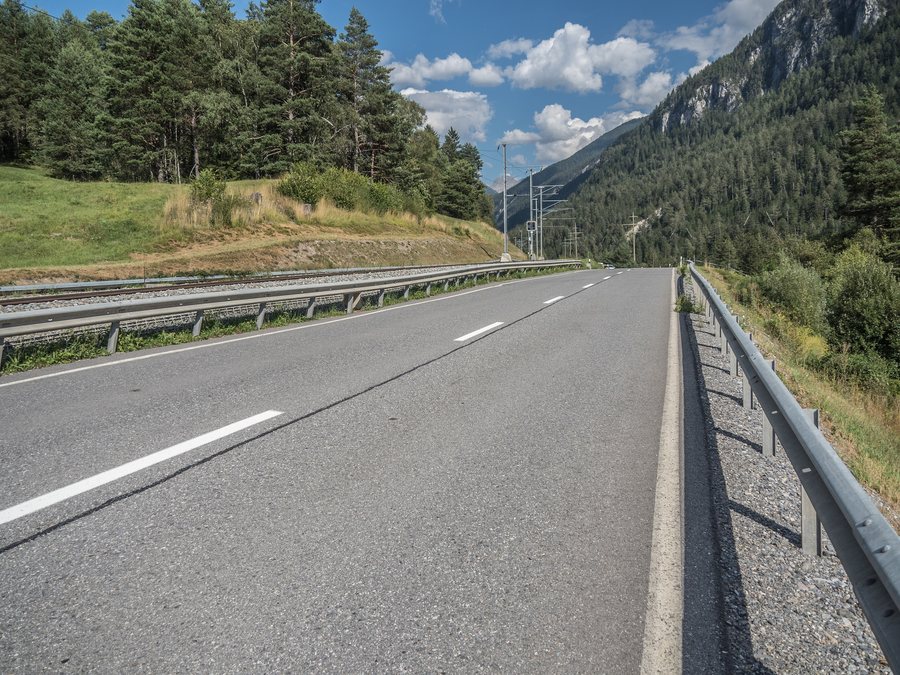 File:Albulastrasse (Hauptstrasse 417) unterhalb Brienz-Brinzauls, Tiefencastel GR20230819-jag9889.jpg
Photo: Jag9889 via Wikimedia Commons, CC BY-SA 4.0
File:Albulastrasse (Hauptstrasse 417) unterhalb Brienz-Brinzauls, Tiefencastel GR20230819-jag9889.jpg
Photo: Jag9889 via Wikimedia Commons, CC BY-SA 4.0
The Brienz/Brinzauls Cultural Trail leads to the ruins of Belfort Castle, the parish church of St. Calixtus, a memorial stone in Vazerol commemorating the union of the Three Leagues in 1471, and the old stone bridge Paunt dalla dieschma, also known as Paunt da la dieschma. Green signposts and route number 750 mark the way.
Destinations for comparison include Alvaneu, Wiesen, Tiefencastel, Alvaneu Bad, Tinizong-Rona, Bivio, Vaz/Obervaz and Lantsch/Lenz.
Culture
Vazerol is part of the Brienz/Brinzauls area and lies along the old Julier/Septimer road, the Obere Strasse. The Catholic parish church of St. Calixtus brings together a building history spanning several eras: the present church was built between 1513 and 1519 on the remains of a Carolingian church first mentioned around 814. The choir contains a masterfully carved late Gothic winged altarpiece, regarded as the most significant winged altarpiece in Graubünden.
The altar of St. Calixtus was probably created before 1519 in the workshop of Ivo Stringel in Memmingen. The retable of this altar has stood in its present location for more than 500 years and is 5.6 metres high. The tower of the parish church of St. Calixtus is leaning due to landslides.
History
Belfort Fortress was built around 1230 and served as a new, noble ancestral seat for the Barons of Vaz. The castle ruins stand between two deep, difficult-to-cross stream ravines on a narrow rocky ridge that drops steeply to the south. Belfort’s main tower has three storeys and was topped by a defensive platform. The gate tower has four storeys and was used for residential purposes.
At the ruins of Belfort Castle, visitors can explore the walls, the views and the stairways. The site can be reached from a car park via a 15-minute walk. The cultural trail combines this historic stop with the church, the memorial stone and the old stone bridge into a marked route.
Geographical setting
Brienz/Brinzauls lies on a natural sunny terrace and on the road between Lantsch/Lenz and Davos. The village is also visited by cycling tourists: Stage 7 of Graubünden Bike runs via Bergün, Filisur, Schmitten GR, Alvaneu Dorf, Brienz/Brinzauls, Lantsch/Lenz and Lenzerheide.
Getting around
The Voia Culturala presents lively details about the culture and history of the Lenzerheide region on information boards. The Rhaetian Railway and PostAuto Graubünden are recommended for the journey, as only a limited number of parking spaces are available. The marked cultural route, the 15-minute walk to the ruins and the cycling stage can be considered separately according to the type of route.
For a stay in Brienz/Brinzauls, you can review travel dates, room category and cancellation conditions separately when selecting accommodation. This keeps the decision clear while keeping the cultural trail, Belfort and St. Calixtus in view as distinct highlights of the village.
For the broader travel overview: Albula.
Check prices, availability and amenities for your travel dates directly with Booking.com.
View accommodation and offersAdvertisement · Affiliate link to Booking.com
_unterhalb_Brienz-Brinzauls,_Tiefencastel_GR20230819-jag9889.jpg)