
New Zealand: Nature, Coast and Culture
Accommodation in New Zealand
New Zealand offers destinations for a wide range of interests: from alpine landscapes and short walks to coastal routes, paddling trips and significant cultural sites. When planning, it is worth deciding first on the type of activity you want and the time available. This makes it easier to treat national parks, individual trails and cultural sites as different priorities for a trip.
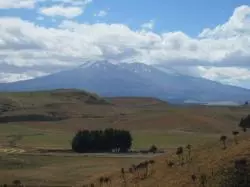 Mount Ruapehu, ein Vulkan auf der Südinsel von Neuseeland
Photo: Markus Lenk
National parks: alpine and ice-carved landscapes
Tongariro National Park is New Zealand’s oldest national park and has dual World Heritage status. This also recognises the area’s significant cultural and spiritual connections to Māori. Aoraki/Mount Cook National Park has a different landscape character: ice and rock shape its rugged surroundings, where 19 peaks rise above 3,000 metres. In Fiordland National Park, meanwhile, ice-carved fiords, lakes and valleys are among the defining landscape features. When choosing nature destinations, you can therefore distinguish between alpine terrain and scenery shaped by fiords, lakes and valleys.
Activities between coast, glacier and river
The Tama Lakes Track is described as a day walk and offers views of Lower Tama Lake, Taranaki Falls, Mt Ruapehu and Mt Ngauruhoe. At the Soda Springs Walk, cold springs lead to a small floral oasis that forms in summer; flowering is seasonal. The Tasman Lake and River Track and Ball Pass Crossing are quite different: the former is a short walk with views of Haupapa/Tasman Glacier, New Zealand’s longest glacier. Ball Pass Crossing, by contrast, is a challenging alpine route that takes two to three days and crosses the Mount Cook Range between the Hooker and Tasman valleys. This means a short walk and a multi-day alpine crossing offer distinctly different timeframes and types of activity.
The Abel Tasman Coast Track combines a mild climate, golden beaches and lush native coastal bush. The entire track can be walked in either direction; water taxis or kayaks can be used to travel between different locations. If you plan to use these connections, check operators and timetables in advance. The Whanganui Journey offers a different kind of water trip: this 145-kilometre canoe journey follows the Whanganui River in the central part of the North Island. Many companies offer guided paddling tours; check operators and seasonal availability before planning. Piopiotahi Marine Reserve along Milford Sound can be explored by diving; conditions and access may vary.
Culture and history
Waitangi Treaty Grounds are an important site in New Zealand’s history: Te Tiriti o Waitangi / the Treaty of Waitangi, New Zealand’s founding document, was first signed there in 1840. The Grounds were also the country’s first national monument. For a different perspective on culture and history, Te Papa offers an introduction through its collections. The museum houses more than two million items relating to art, natural history, New Zealand history, mātauranga Māori and the cultures of the Pacific region, and manages New Zealand’s national collection. Collections Online provides information on more than one million artworks, objects and specimens from the collections. Rotorua, in turn, is shaped by geothermal landscapes, Māori culture, ancient forests and pristine lakes.
Plan travel and accommodation
The Milford Road runs from Te Anau to Milford Sound and is considered one of New Zealand’s most scenic road trips. Milford Sound/Piopiotahi is in the northwest of Fiordland National Park. As road conditions can change, check the latest information before setting out. Search for accommodation based on the stops and activities you actually want to include in your trip. Whether you prioritise short walks, a multi-day route, a paddling trip or cultural sites will shape different priorities for your planning.
Discover more destinations: Australia.
Return to the main travel overview: Australia and New Zealand.
