
Nemėžis: Mosque and Tatar Heritage
Accommodation in Nemėžis
One of the cultural focal points in Nemėžis is the mosque. Its construction history, the Tatar community, and the old cemeteries beside the building offer different insights into the area. Nearby, the Nemėžio dvaras estate adds another perspective on the history of the area. It is 1 km from Nemėžis.
The Mosque: Construction History and Architecture
The mosque was built in 1684, burned down in 1909, and was rebuilt to a design by architect A. Soninas. The dates mark different stages in its history: 1684 refers to its construction, 1909 to the fire, and the subsequent rebuilding to the next construction phase. This clearly distinguishes the original construction from the later rebuilding.
The later dates also mark distinct milestones. The mosque was returned to the Muslim community in 1978, repaired in 1993, and restored in 2009. The return, repair, and restoration were not the same event, but separate stages, each with its own significance in the building’s history.
The mosque is a rectangular wooden building with a four-sided sheet-metal roof. An extension is located on the side facing Mecca; a small minaret tower stands on the roof. When looking at the building’s form, you can distinguish these features: the extension is defined by its position on one side of the building, while the minaret tower is part of the roofline. Together, they describe both the overall form and individual parts of the building.
The Tatar Community and Old Cemeteries
The Tatar community of Nemėžis celebrates Ramazan bairam, Kurban bairam, Asur bairam, and Mevliud together. This shared practice adds another perspective on the area to its construction history. The mosque can therefore be understood not only through its dates and architectural features; the festivals celebrated together are also part of Nemėžis’s cultural character.
Old Tatar cemeteries lie beside the mosque. This spatial relationship connects the named building with other historic sites in the same location. Together with the architecture and festivals, this offers a view of different aspects of the cultural heritage without combining them into a single theme.
Planning a Visit to the Mosque
For a visit to the mosque or a guided tour, an announcement names Arturas Muchlia, chairman of the Tatar community, as the contact person. Please get in touch at least one week in advance at +370 655 59780. Since contact details and arrangements may change, check before your trip whether the information is still valid and how a visit can be arranged. This will help you factor contacting them into your plans.
The Nemėžio dvaras Estate Nearby
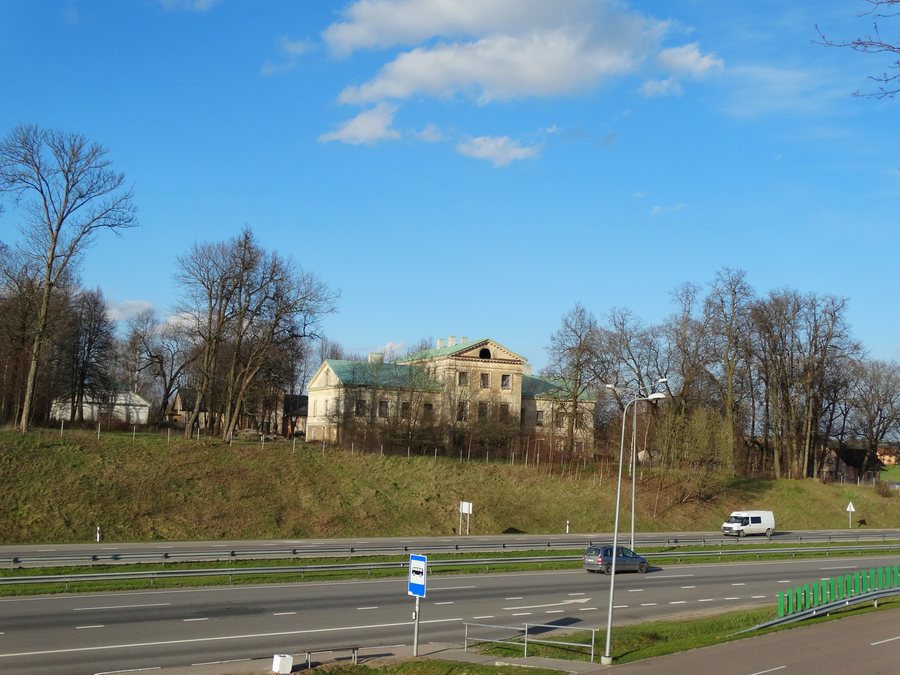
The main palace of the Nemėžio dvaras estate dates from the 19th century. The estate also includes a stud farm, a utility building, a barn, and fragments of a park with ponds. These features remain unrestored; their condition may change, so it is advisable to check before visiting.
At a distance of 1 km, the estate is close to Nemėžis and provides a separate historic point of interest alongside the mosque in the village. The information about the estate and the mosque concerns different locations and should be considered separately when planning: one is a building within Nemėžis, while the other is an estate in the surrounding area. This keeps their locations clear while both aspects help provide an overview of the cultural heritage.
For the broader travel overview: Vilnius District Municipality.

