
Szombathely – Roman Heritage and Botanical Diversity
Accommodation in Szombathely
Szombathely can be explored through several specific interests: Roman traces in the city centre, an important cathedral, a large arboretum and events held at certain times of year. This thematic overview can help you choose hotels in Szombathely and tailor your stay around culture, plants or an event date. The remains of Roman Savaria and the collections of the Kámon Arboretum are particularly noteworthy; seasonal offerings complement these permanent points of interest.
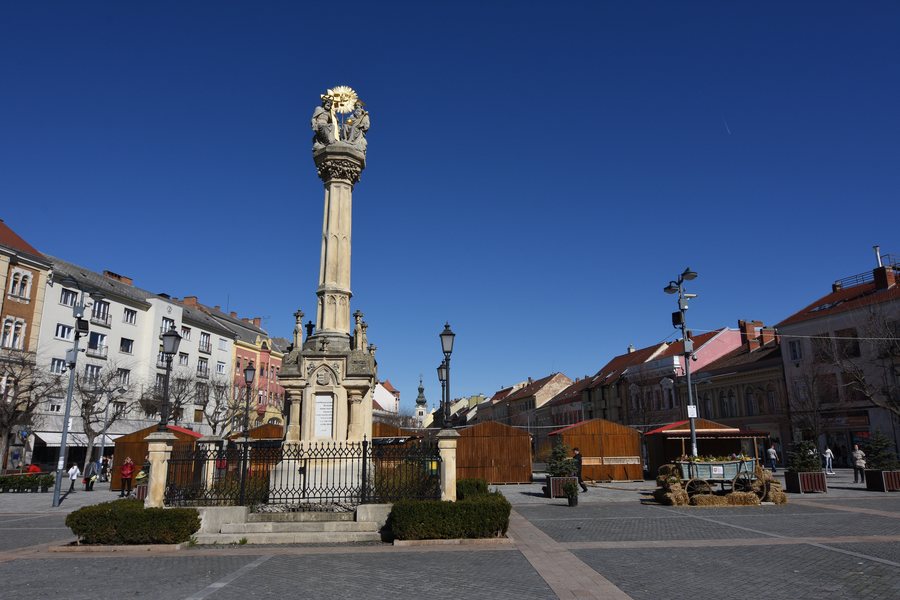
Roman Traces and Architectural Heritage
The Járdányi Paulovics István Roman Garden contains remains of Roman Savaria. These include groups of buildings from Colonia Claudia Savariensium, founded around 50 AD and excavated in central Szombathely since the 1930s. Here, the name of the Roman city and archaeological evidence of its buildings come together in one place. The Roman past is therefore a specific focus for anyone interested in history when travelling.
Another important landmark is the Cathedral of the Visitation of the Blessed Virgin Mary. It is the principal church of the Diocese of Szombathely and an important architectural monument in the city. Locals also call it Nagytemplom. Its local name and ecclesiastical function offer two different ways to understand the building: as part of the cityscape and as the principal church of the diocese.
Arboretum and Seasonal Events
The Kámon Arboretum is located in the north of Szombathely. Its 27-hectare grounds contain around 3,200 species and varieties of trees and shrubs. The approximate number and the size of the site convey the scale of the collection, while the associated ecotourism visitor centre offers a distinct, complementary focus: it has an exhibition space and a small exhibit on the history and research of the arboretum.
Seasonal offerings may also influence when you plan your visit. During the Savaria Historical Carnival, the Kalandvár children’s event is held every year in Gayer Park. It offers numerous activities for younger and slightly older children. The Herény Flower Road opens every spring after St George’s Day. This one-kilometre event offers an opportunity to view and buy plants; it also includes children’s activities and concerts. Check the dates and programme details before travelling if you would like to plan your stay around one of these events.
Vas County as a Wider Travel Destination
The wider destination of Vas County offers additional landscapes to explore. The Írottkő Nature Park lies in the north-western part of Vas County and includes the entire 4,303-hectare Kőszeg Landscape Protection Area. The Termál Kerékpáros Túraút offers a different regional perspective: in Vas County, it leads to five spa complexes and combines cycling with visits to architectural and natural attractions, as well as other spas.
Bük and Sárvár are among the region’s thermal destinations. These two towns are home to internationally recognised thermal baths, and are 25 kilometres apart. Bük is an independent medical and tourist centre, as well as one of Hungary’s spa towns. The Sárvár Spa and Wellness Centre offers numerous medical, health-promoting and recreational services. These examples illustrate the diversity of themes across Vas County without equating these places with Szombathely’s attractions.
Vas County also has a diverse architectural and cultural history. The Church of St Michael in Csempeszkopács was built around 1250 in the Romanesque style; the Romanesque church of Ják Abbey was consecrated in 1256. Since opening in 1973, the Vasi Skanzen has rescued and rebuilt a total of 43 buildings from 27 settlements. It presents the rural way of life and vernacular architecture of Vas County from the past two centuries.
Discover more destinations: Gencsapáti.
Return to the main travel overview: Szombathelyi.

