
Szabolcs: Church, Manor Houses and Earthwork Castle
Accommodation in Szabolcs
Szabolcs lies on the River Tisza. The village’s distinct highlights include the Reformed Church, the earthwork castle, manor houses with exhibitions, and designated natural sites. Visitor centres provide information on local history and help visitors find their way around. If you are planning a stay, these highlights make it easier to distinguish the attractions by their individual character.
Church and Earthwork Castle
The Reformed Church of Szabolcs is a Romanesque building dating from the 11th century. Its interior preserves a Gothic sacristy door, a sacrament house and a carved baptismal font. This allows visitors to appreciate the church both through its period of construction and its specific furnishings. The church and the Szabolcs earthwork castle together form a designated historic memorial site.
The church is the western gateway to the Route of Medieval Churches and forms part of the significant architectural heritage of the Upper Tisza region. There is an important practical condition for visiting: the church can only be visited by prior arrangement. Be sure to arrange your visit in advance before making plans.
Manor Houses and Visitor Centres
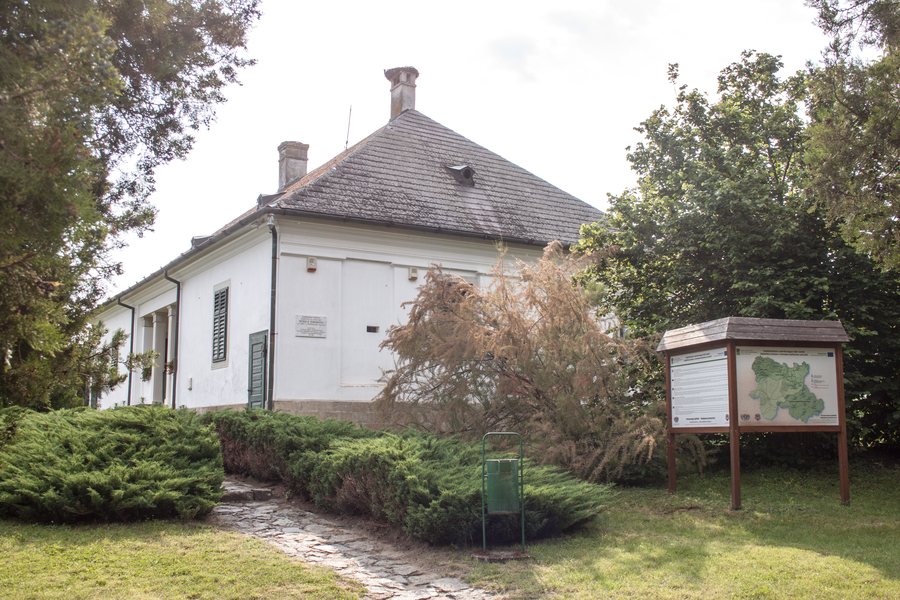
The Mudrány Manor House is a late Baroque building dating from the end of the 18th century; an exhibition is also on display there. The building and the exhibition offer two different points of interest for a visit: the architecture of the manor house and the content presented there. As temporary visitor arrangements may change, check the current visiting options in advance.
The Tomori Manor House now serves as a visitor centre. It presents the history of the Szabolcs earthwork castle as well as the world of earthwork castles in the Carpathian Basin. This brings together a local connection and the broader subject of earthwork castles. The Reformed visitor centre in Szabolcs also serves a tourism purpose: it brings together local attractions, including the earthwork castle, Reformed Church and Mudrány Manor House, and introduces them to arriving tourists.
The Reformed visitor centre also has a conference room available for 80 to 100 people. It is suitable for lectures, conferences and events. If you are considering holding an event, check in advance whether the room is available and what conditions apply.
The Tisza and Natural Sites
The location on the River Tisza is part of the geographical setting of Szabolcs. The Szabolcsi Morotva-tó is another designated natural site in the village. These two features complement the historic attractions with a landscape perspective, without implying any particular leisure activities. When planning, you can distinguish between an interest mainly in architecture and local history and an interest in the natural features named here.
The Wider Destination of Szabolcs-Szatmár-Bereg
The wider destination of Szabolcs-Szatmár-Bereg has other distinct highlights. The Hungarian section of the Route of Medieval Churches in the north connects 37 churches in the region’s medieval church landscape; the church in Szabolcs is its western gateway. In Vaja, the Vay-Ádám Museum Collection of the Hungarian National Museum is housed in Vay Renaissance Castle. The Báthori Castle in Nyírbátor has a permanent exhibition and a panorama display depicting members of the Báthori family in a period-appropriate setting.
The region also has architectural and natural highlights: Andrássy Castle in Tiszadob was built between 1880 and 1885 in the French Gothic style, to designs by Alpár Ignác and under the direction of former Prime Minister Andrássy Gyula. The nature reserve near Tiszadob covers 1,000 hectares of oxbow lakes, floodplain forests and grassland. Between 80 and 90 pairs of herons nest in Tölgyes Forest. The approximately 53-hectare, strictly protected Bátorliget ancient marsh preserves particularly well the different stages in the vegetation and landscape history of the Alföld Plain.
For the wider travel overview: Tiszavasvári.

