
Hont: Hotels and Accommodation
Accommodation in Hont
The short path through the Honti Gorge is easy to walk and ends at a small waterfall 2–3 metres high. From the main road, the walk takes approximately 5–10 minutes.
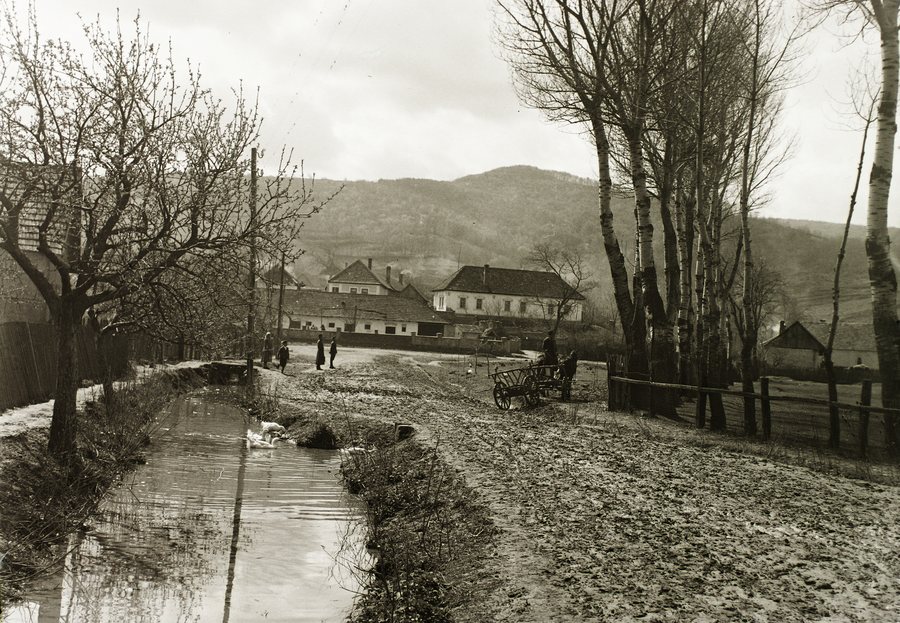 File:Hungary, Hont Fortepan 95549.jpg
Photo: FOTO:Fortepan — ID 95549 : Adományozó/Donor: Schermann Ákos. archive copy at the Wayback Machine via Source, CC BY-SA 3.0
File:Hungary, Hont Fortepan 95549.jpg
Photo: FOTO:Fortepan — ID 95549 : Adományozó/Donor: Schermann Ákos. archive copy at the Wayback Machine via Source, CC BY-SA 3.0
Nature
The Honti Gorge is a natural geological outcrop that exposes details from the period before the volcanism of the Börzsöny Mountains. The exposed strata contain fossils of corals, mussels and snails; mammoth bones have also been found there.
The natural area also includes the 30-kilometre stretch of river between Ipolyszög and Hont. It has been protected by the Duna-Ipoly National Park since 1997 and has been internationally recognised under the Ramsar Convention since 2001.
Culture
Today, the Tsitári Chapel houses a Lourdes grotto with votive plaques from people who have experienced healing. A second chapel was demolished at this site in 1948. The Tsitári Chapel and the Kutyika spring are located in a small garden shielded by trees and a row of thuja trees.
The Szondi Tunnel is probably associated with a path used by the inhabitants of Drégely Castle to pray at the Csitári Chapel. The Fájdalmas Szűzanya Chapel is connected with the site of Hont's former church and the cemetery surrounding it.
Surroundings
Dedre-bérc Mountain is located in the immediate vicinity of Hont. The Kúlyika Church and the Bakostető, Kőember and Kámor Mountains are also located in the surrounding area.
The wider regional surroundings of Hont include the Kismarosi Sváb Muzeális Gyűjtemény Museum, the Stará Huta ruins and the Migazzi-kastély historic site.
If Hont is your travel destination, you can find suitable accommodation there.
To the higher-level travel overview: Balassagyarmati.

