
Mittersill: Nature and History
Accommodation in Mittersill
Mittersill lies right on the Salzach River between Pass Thurn and Felbertauern. When choosing accommodation, you can consider whether nature, historic buildings or the National Park Worlds will be the focus of your stay. There are several points of interest to choose from: a lake whose formation was shaped by an earthquake, a themed hiking trail in Wasenmoos, and examples of architectural and church history. Seasonal opening hours and the stated walking times can help you plan visits to the National Park Worlds.
Natural Monuments and Geological History
In 1933, the Hintersee and its surroundings were declared a natural monument by the Salzburg provincial government and placed under legal protection. Its formation dates back to the 1495 earthquake in the Hohe Tauern: a landslide triggered by the quake blocked the valley and dammed the lake. The Hintersee is therefore notable both for its geological origins and its protected status. In 1983, the Schösswendklamm gorge was declared a natural monument and legally protected because of its distinctive character and beauty. The recorded reason for protecting the gorge thus cites its distinctive character and beauty, while the Hintersee’s formation is linked to the earthquake and landslide.
Another geological feature is the Heidnische Kirche: the name refers to a central gneiss block about 10 m high that rises from a field of landslide debris. Its approximate height and the type of rock give this natural feature a different character from the protected landscapes of the Hintersee and Schösswendklamm gorge. The nature theme thus encompasses geological origins, striking rock formations and legal protection as distinct elements.
Wasenmoos: Themed Trail and Plant Life
Wasenmoos has a 2 km themed hiking trail and a viewing pavilion with informational materials. Both opened in 2006, after the first phase of renaturation was completed. The trail and pavilion offer different ways to experience the area: one leads through the landscape as a themed trail, while the other brings information together at a viewpoint.
The plant life is another special feature: sundews, butterworts and bladderworts grow in Wasenmoos—all three are carnivorous plants native to Austria. In addition to the themed trail, visitors interested in nature and the landscape will therefore find a distinctive botanical feature here.
Towers, Churches and Architectural History
The Felberturm was built in the first half of the 12th century and served as a residential and defensive tower for the noble lords of Velm. The newly redesigned Felberturm Museum reopened to visitors on 7 July 2021. The museum’s ground floor houses an exhibition on the historic packhorse trade. The tower’s early function, the history of trade and the museum’s subject are all part of the story. As visitor arrangements may change, check the latest information before your visit.
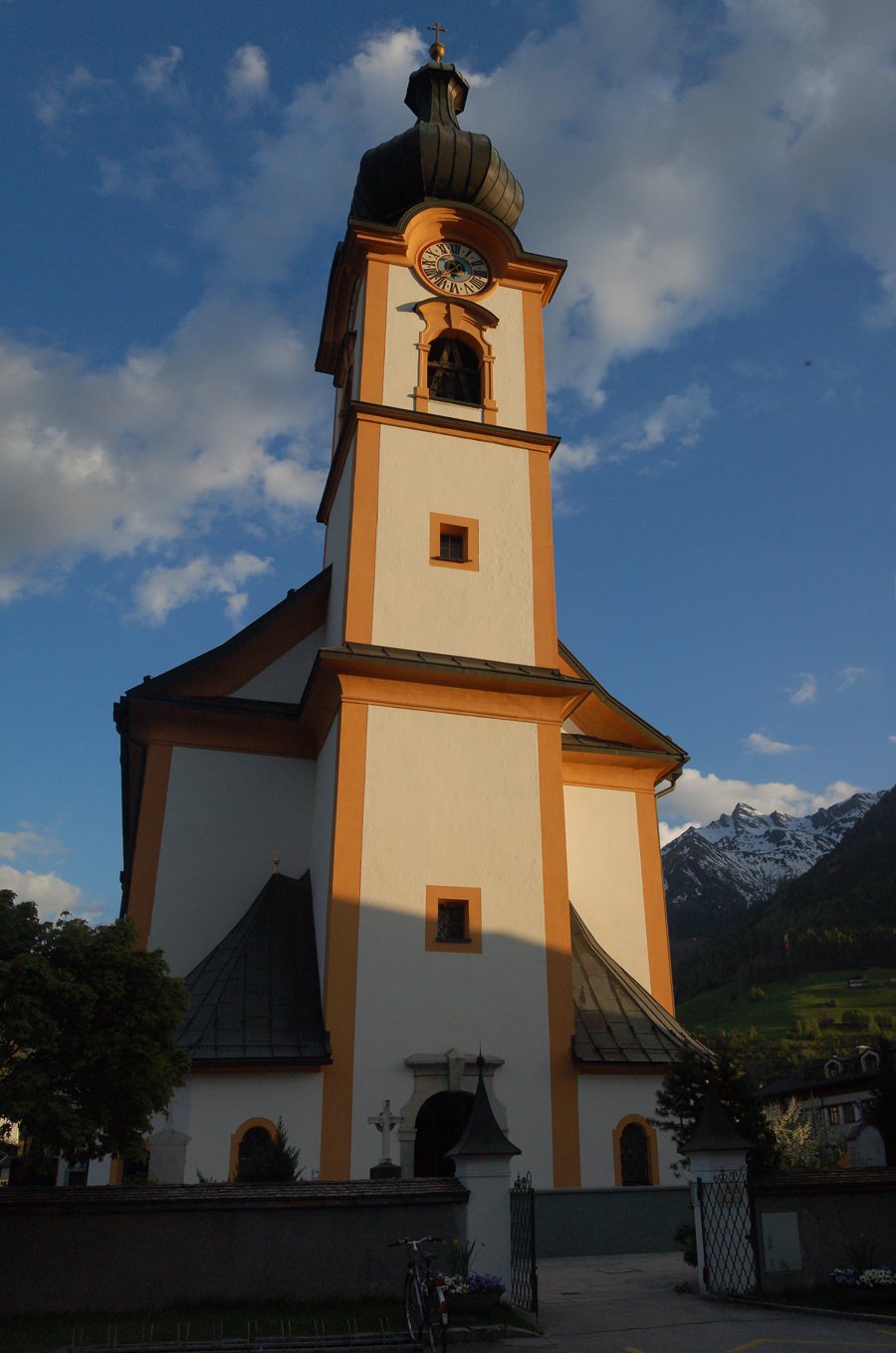
The Annakirche was built in 1751 by Kassian Singer in the Tyrolean Rococo style, on the site of the former parish church, which had been badly damaged in the 1746 market fire. Its ceiling paintings depicting the life of Saint Anne were created by Christoph Anton Mayr and date to 1753. The Mittersill Parish Church was built by Johann Kleber between 1747 and 1749, following the great market fire of 1746; its pulpit was made in 1765 by local sculptor Peter Schmid. These two churches reveal different dates and works in architectural and artistic history.
The Felberkirche is Mittersill’s oldest church. It was originally built as the castle chapel of the lords of Felben, beside their residential tower. Its original function thus differs from the building histories of the Annakirche and the parish church, both of which are associated with the 1746 market fire.
The National Park Worlds and Practical Visit Planning
The Hohe Tauern National Park Worlds in Mittersill allow visitors to use all their senses to travel to places, through periods of time and into realms that would otherwise remain inaccessible to people. This makes them a distinct attraction alongside the natural monuments and historic architecture. In 2026, they are open daily: from May to October, 9:00 am to 5:00 pm, and from November to April, 10:00 am to 5:00 pm. Last admission is at 4:30 pm. As seasonal opening hours may change, check the information before your visit.
The National Park Worlds can be reached by bus and train. The walk takes about 10 minutes from the train station and about 5 minutes from the “Mittersill Stadtplatz” bus stop. Both times are approximate and refer to different starting points. Check current connections before setting off so you can adjust your visit plans to suit your chosen route.
Discover more destinations: Hütten, Saalbach-Hinterglemm, Wald Im Pinzgau, Saalfelden am Steinernen Meer, Embach, Igelsberg, Rain, Aufhausen.
Go to the regional travel overview: Zell am See District (Pinzgau).

