
Humor and Anecdotes from Winter Sports
Winter sports produce plenty of little stories: a meeting point misunderstood, wet gloves, or the first turn on an unfamiliar steep slope. Humor and anecdotes make these experiences relatable when they are told kindly and no one is embarrassed or put at risk. This page combines entertaining observations with practical guidelines for telling stories fairly and a well-documented glimpse into the history of international skiing.
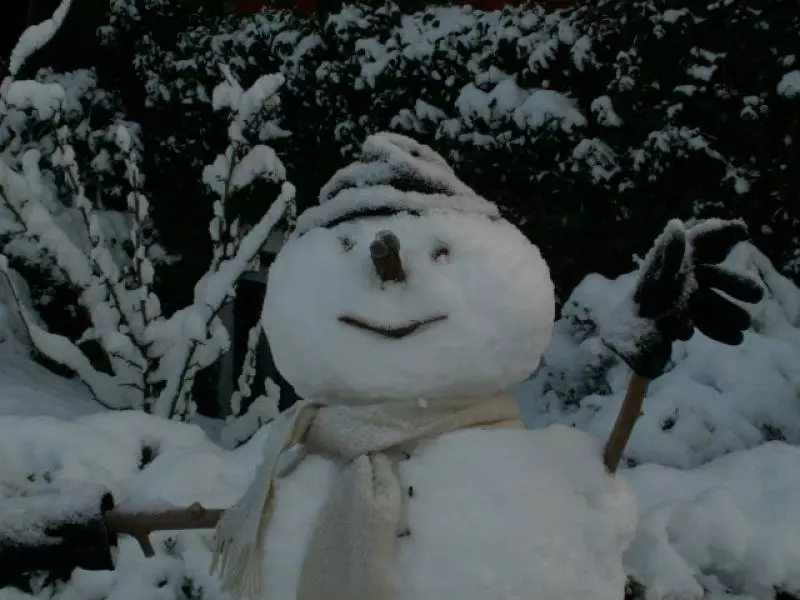 Humorvoll gestalteter Schneemann im verschneiten Winterwald, mit Schal und erhobenen Armen.
Photo: Voyagemedia – RRinnau / MaxTD Imagebank
Quick facts
- A good ski anecdote is usually about a specific situation, not a sweeping judgment about a person.
- It is easier to laugh about your own mishaps than about someone else’s fear, injury, or uncertainty.
- Humor is no substitute for slope rules, instructions from staff, or consideration for slower or less experienced skiers.
- A short story is easier to follow when the location, setup, twist, and kind-hearted ending are clear.
- Only publish photos and videos with the consent of the people who can be recognized in them.
- Keep historical facts and personal experiences clearly separate in a story.
Why ski days provide so many stories
People with different levels of experience, languages, and expectations meet on the slopes. Even small differences can lead to a funny scene: someone looks for a meeting point at the wrong lift, takes a technical term literally, or finds that a supposedly short run takes longer than planned because of frequent breaks. These situations are entertaining when you tell them from your own perspective and explain honestly how things turned out.
Equipment also leads to familiar experiences. New ski boots can feel strange at first, an oversized backpack gets in the way on a chairlift, and a poorly fastened jacket pocket can put your lift pass at risk. These make good material for a harmless story, as long as the punchline is not that someone falls, gets hurt, or crashes into a barrier. If an accident actually happens, helping comes first; tell the story later, and only with the person’s consent.
How to structure an anecdote
Start with the setup: Who was there, what was the goal, and what did you expect? Then describe only the details that matter to the twist. A crowded meeting area, similar-looking helmets, or an unfamiliar word is often enough. The punchline should come from the misunderstanding, not from a demeaning remark. Finish with the reveal and, if possible, a practical lesson for the next ski day.
A simple sequence works well for short stories: situation, mistake, clarification, and conclusion. This keeps the story easy to follow, even in a group. Avoid long lists of names and insider terms. If you use a term such as “ski bunny” or “après-ski,” briefly explain it. The internal page Ski Bunnies in Winter Sports offers some additional context; the Après-Ski page helps explain the social side of things after skiing.
Humor, safety, and consideration
A good winter-sports joke doesn’t need to involve risk. Pranks on the slopes, sudden pushing, blocked exits, or deliberately obscured signs are not harmless fun. They can frighten others or create dangerous situations. So follow the FIS rules for the slopes and local instructions. Keeping your distance, maintaining a controlled speed, and having a clear view of your route matter more than any punchline.
Take particular care around children, beginners, and people who feel unsure in unfamiliar surroundings. Before telling a story, ask whether everyone involved really found the situation funny. Don’t include names, recognizable faces, room numbers, or personal health information in a public post without permission. Clear consent is advisable for photos and videos; involve a parent or guardian when minors are concerned.
A well-documented piece of history with a wink
The history of skiing also includes a small anecdote about language. According to the official FIS history, delegates met in Chamonix on February 2, 1924, to establish an international organization. One early discussion concerned its name: since France was hosting the meeting, the French name Fédération Internationale de Ski was chosen. A formal question of naming thus gave rise to a distinctive name that is still known today as FIS.
Ideas for your own stories
Everyday, relatable moments make good material for a personal anecdote: your first glimpse of a snow-covered resort, searching for the right locker, an unexpected change in the weather, or comparing a cozy mountain hut with the snacks in your own backpack. Be specific, but anonymize other people. A good story can also end with an open question: What would you plan differently next time? That way, entertainment comes with a useful travel tip.
A quick review can help before you publish. Is the scene truthful, or clearly recognizable as an exaggeration? Could anyone involved identify themselves? Does it make light of a danger? Does it contain internal data or private details? If any answer raises concerns, change the story or leave it out. For safety matters, always follow the latest guidance from the ski resort, lift operator, and relevant rescue services.
FAQ
What makes a good ski anecdote?
A specific situation, an easy-to-understand twist, and a kind-hearted ending. The story should not hurt or embarrass anyone.
Is it okay to laugh about my own mishap?
Yes, as long as you describe the situation honestly and don’t encourage anyone to imitate anything dangerous. Explain what you learned from it.
Can I tell stories about other people’s mishaps?
Only with their consent, and preferably in anonymized form. Avoid publishing stories involving injuries, fear, children, or private information.
Are pranks on the ski slopes a good idea?
No. Surprises, pushing people, or changing routes or signs can cause accidents and have no place in fair winter sports.
How can I publish a photo of a funny scene?
Publish it only if the people who can be recognized in it have given their consent. Remove private details and take particular care to protect children.
Is the story about the choice of the FIS name documented?
Yes. The official FIS history mentions the meeting in Chamonix on February 2, 1924, and explains why the French name was chosen.
