
Ski Area Facilities: Rental, Ski Storage, Mountain Restaurants, and Restrooms
A ski day is about more than just skiing downhill. Equipment rental, ski storage, toilets, food, first aid, and a dry place to take a break all affect how smoothly the day goes. The Mythenregion offers rental equipment, snow sports schools, restaurants, hotels, and several sub-areas. The practical rule is simple: check the specific location of the services rather than assuming that a general description of the area means everything is close by.
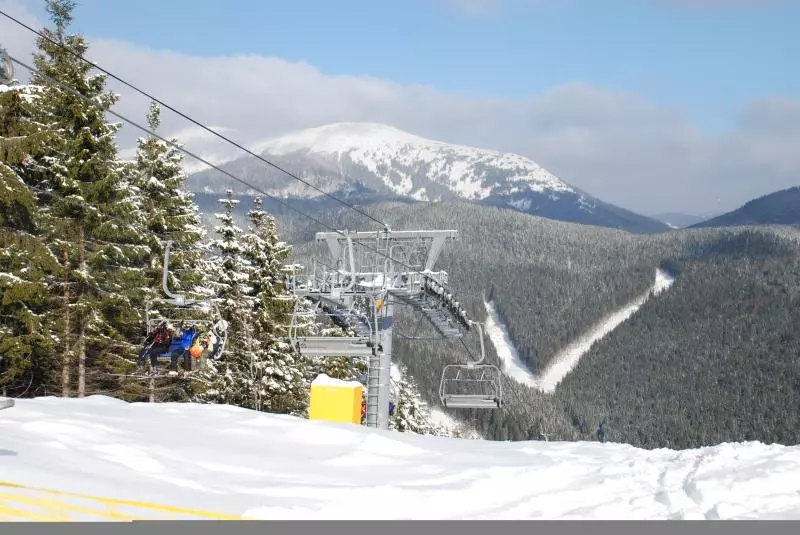 Zwei Skifahrer fahren mit einem Sessellift über verschneite Wälder; im Hintergrund liegt ein Berg.
Photo: Olga Buko / MaxTD Imagebank
Zwei Skifahrer fahren mit einem Sessellift über verschneite Wälder; im Hintergrund liegt ein Berg.
Photo: Olga Buko / MaxTD Imagebank
Making the right choice
Good facilities are valuable when they make getting around and making decisions easier. Compare locations, opening hours, reservation requirements, and return arrangements. A wide selection is of little use if it can only be reached by a long detour. If you are unsure, ask the operator directly.
Practical tips
Before booking, decide which facilities you actually need. If you are traveling with children, look for short distances between the parking lot, rental shop, lesson meeting point, and lift. A ski locker can prevent sore backs and wet clothing, but it is only useful if it is near the right access point. Check opening hours and busy periods at mountain restaurants; a late lunch break may be too long for children. Mark toilets and first-aid points on your map. If you are renting equipment, make a note of the return time, location, and contact person. Not every service operates every day or in every sub-area. Accommodation with a drying room and breakfast can make mornings much easier. For a group trip, a shared checklist helps ensure nobody sets off without gloves, a ticket, or essential medication.
Safety and consideration
Have rental equipment adjusted before your first run, and report any problems immediately. Keep bags and poles out of passageways. At mountain restaurants and toilets, queue in a way that keeps ski traffic flowing. First aid is no substitute for skiing cautiously.
Preparation and daily plan
Before you set off, mark the rental shop, ski locker, toilets, break spot, and return route. Pick up your equipment in good time in the morning. After your first run, check the fit and comfort. Schedule a set break and allow enough time to return your equipment and travel home.
Before setting off, check the weather, snow conditions, lift status, travel arrangements, and opening hours. Rental equipment, lessons, tickets, and breaks should suit the group’s ability and size. Agree on a clearly visible meeting point and a return time. If visibility is poor, it is windy, or anyone is tired, simplify the plan. Current information from the operators is more reliable than older travel reports; prices, availability, and opening hours can change. Keep your phone put away while skiing, and also note important information offline or on paper. If you are traveling with children, plan for warm clothing, drinks, and a dry change of clothes. This makes for a ski day with time for repeat runs that does not depend on a single lift being open.
Find more information about regional ski destinations, understanding ski areas, and ski schools.
Checklist for making your own decision
Before your visit, write down what you need to find out and what information you actually need to answer your question. Check the details provided by the specific operator, paying attention to when they were updated, who is responsible, and any restrictions. A plan with one main option and a simple alternative helps avoid unnecessary pressure. Families should agree in advance on meeting points, supervision, breaks, and the route back. In groups with varying abilities, nobody should take a more difficult route just because it looks shorter on the map. Equipment should be adjusted before use; return rental equipment immediately if there is a problem. Weather, visibility, wind, snow conditions, and fatigue can all change what would otherwise be a good decision. Stop and make calls only from a visible, safe spot at the side. Keep important information on paper or in offline storage as well, in case your battery, network, or app fails. This helps keep your visit practical, straightforward, and suited to the actual conditions.
Frequently asked questions about ski area facilities
What information should I check first?
Start with the weather, snow conditions, lift status, and travel arrangements. Then check your ticket, equipment, lessons, meeting point, and breaks. If you are using digital services, also check your battery and offline access.
What should we do if people have different ability levels?
Agree on a meeting point and choose areas everyone can reach safely. Beginners need easy runs to repeat and someone to accompany them; more advanced skiers should adjust their pace and route. Nobody has to join a difficult run.
When should I change the plan?
If visibility is poor, it is windy, conditions are hard, lifts are closed, or concentration is fading. A shorter run, a break, or an alternative winter activity is then the sensible choice.
Reliable basic information and current examples are available from the official Mythenregion winter information.
