
Skiing in the Bernese Oberland
The Bernese Oberland combines lake towns, mountain villages and very different ski areas. This guide helps you compare bases, plan transfers, match terrain to your group and keep a useful alternative ready when weather or lift operations change.
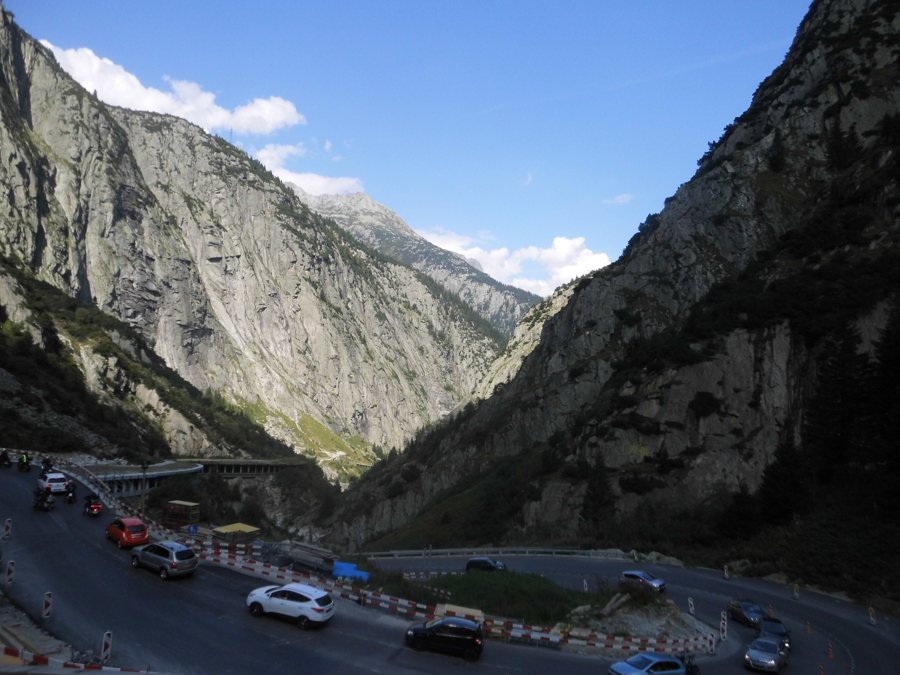 Mountain landscape in Switzerland used as a regional winter travel illustration; the image is not necessarily located in the Bernese Oberland.
Photo: Bernd Herman, neandertours.com
Mountain landscape in Switzerland used as a regional winter travel illustration; the image is not necessarily located in the Bernese Oberland.
Photo: Bernd Herman, neandertours.com
At a glance
- Choose between a Jungfrau-area base, a larger regional resort or a quieter village according to your group and travel route.
- Interlaken is useful for visitors who want rail connections, excursions and access to several winter areas.
- Grindelwald, Wengen and Mürren have different access arrangements and should be compared by accommodation and lift route.
- Adelboden, Gstaad and nearby areas offer further choices, but conditions and links belong to the individual operator.
- Check snow, wind, visibility, roads, rail services and open lifts shortly before each ski day.
Choosing a base
The Bernese Oberland is a region, not one connected ski area. Interlaken can suit travellers who want a central base with rail, restaurants and activities away from skiing. Grindelwald is a practical starting point for visitors who want a mountain village and access to several sectors, while Wengen and Mürren require their own arrival and luggage plan. Adelboden and Gstaad appeal to groups who prefer a separate resort rhythm and should be assessed on their exact village, slope access and accommodation.
Begin with the general overview of skiing in Switzerland. Then compare the travel pattern with skiing in Austria, skiing in Germany and skiing in France. These comparisons help when the group is deciding between a car journey, rail travel, a compact village or a larger destination.
Families and mixed ability groups
Families should compare the distance from accommodation to the practice area, ski school, equipment hire and a warm indoor option. A village with simple pedestrian routes may be more comfortable than a larger area that requires several transfers. Ask the ski school about meeting points, lesson languages, age groups and the route children take back to the accommodation.
Mixed groups should agree whether everyone will start together and where to meet later. The area that is comfortable for a beginner may not be the best day plan for an advanced skier. A short, weather-resistant programme with one clear meeting point often works better than trying to cover every sector. For an alternative winter trip, compare the practical planning advice with skiing in Italy and skiing in Romania.
Snow, weather and daily decisions
Mountain weather can change quickly between a lake, a valley and a high ridge. Wind may close exposed lifts, low cloud can reduce visibility and a warm spell can affect lower slopes. Check the official regional information from Interlaken Tourism, then confirm the exact situation with the selected ski-area operator. The regional page is a planning aid, not a substitute for current lift and piste information.
Keep one flexible day for poor visibility, a rest day or a non-ski activity. Set a realistic last return time, especially when the route includes a train, cable car or local bus. Carry layers, sun protection, water and a charged phone. If conditions deteriorate, a shorter route and safe return are better than forcing a planned summit or sector connection.
Travel and accommodation
Rail can be convenient in the Bernese Oberland, but the final connection to the accommodation still matters. Check luggage handling, walking distances, local buses, cable-car timetables and whether a car can reach the property. By car, confirm winter equipment, parking and any restrictions on mountain roads. A room close to a lift is not automatically the best solution if the group also needs a supermarket, ski school or evening transport.
For a broader winter comparison, the overview of skiing in Bulgaria and the winter sports guide offer other planning perspectives. Before booking, keep cancellation rules, insurance, lift information and the transfer plan together. Recheck all time-sensitive details shortly before departure.
FAQ
Is the Bernese Oberland suitable for a week?
Yes, if the base matches the group. A week allows skiing, a weather day and regional excursions, but daily transfers should be realistic.
Is Interlaken itself a ski resort?
Interlaken is mainly a regional base and travel hub. Skiing requires a connection to a suitable mountain area, so check the complete route before booking.
Which base is best for families?
Choose the village with the easiest combination of beginner terrain, ski school, accommodation and return route. The best choice depends on the children and the travel date.
Do I need a car?
Not necessarily. Rail and local transfers can work well, while a car is useful when accommodation is outside a central village. Compare door-to-door time and parking costs.
What should I check before each ski day?
Check open lifts and pistes, wind, visibility, weather, the return route, equipment and the meeting plan for your group.
